Search
54 results for “energy technology”

The quiet technology that lets renewables and electric vehicles scale.

Economists unanimously expect the BoE to lift rates to 4% on Thursday. The hard part is guiding markets on what comes next as oil swings on Iran talks.

ADNOC has signed a multi-year deal with OpenAI and G42 to run coordinated AI agents across its business, including a tool to value oil barrels still underground.

India says climate finance, adaptation and a fair transition are its priorities for COP31, as Delhi hosts the International Solar Alliance Assembly.

After the US midterms, markets split: data-center stocks sank, Big Tech rallied, and Wall Street began asking who now sets the rules for AI's build-out.

KAIST researchers in South Korea say an anode-free battery design could shrink EV packs and extend driving range. Their work targets uneven lithium growth on copper.
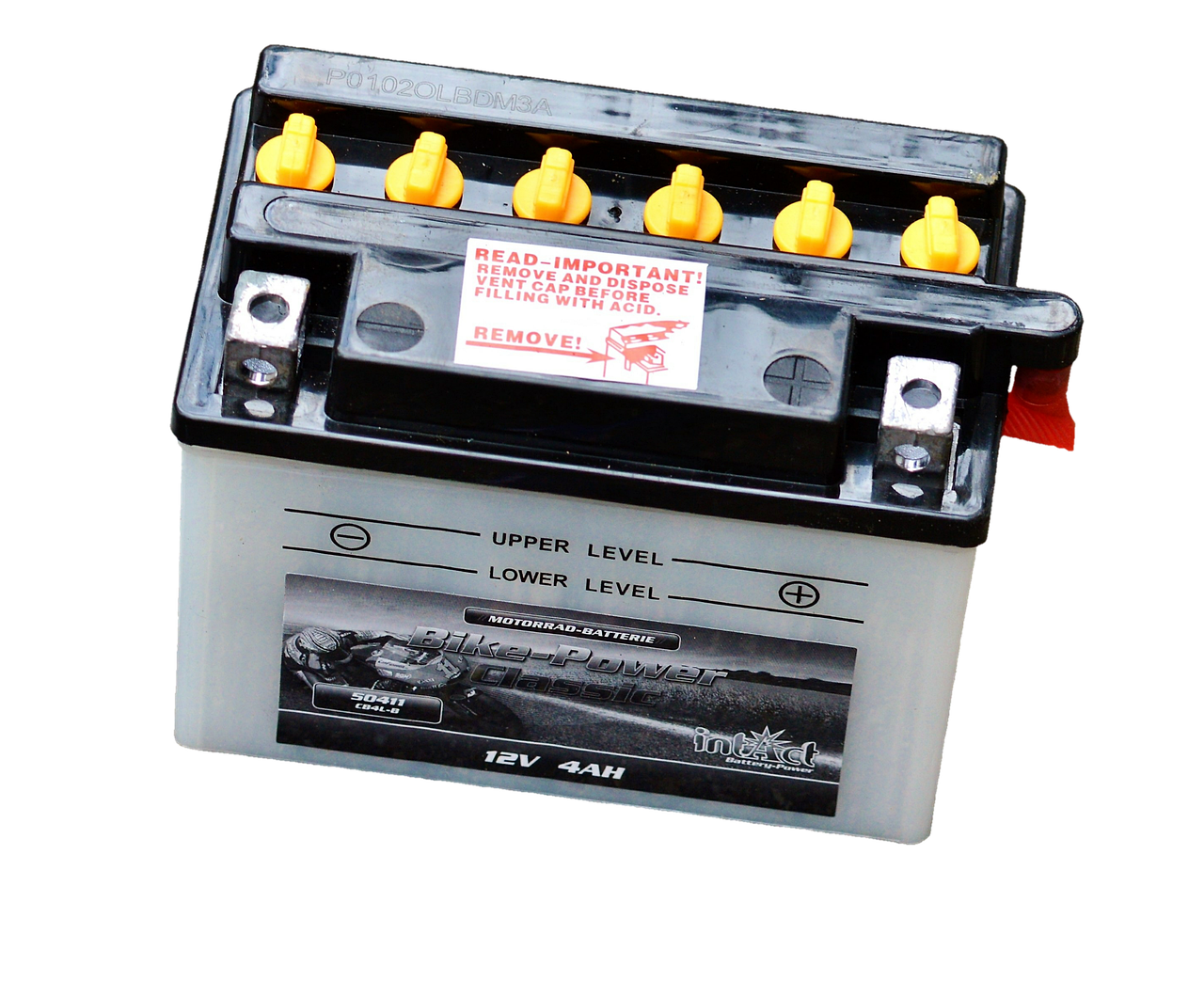
Finnish startup Donut Lab says independent tests back its solid-state battery. Lab results show only trace lithium and sodium, so what the cell is made of is still unclear.

Energy prices are sliding on unconfirmed reports of US-Iran talks while military incidents continue. Analysis of what markets may be getting ahead of.

Xpeng has begun small-batch production of solid-state batteries made for its Iron humanoid robot. Robots may get this technology before electric cars do.

COP31 organisers want countries to back raising electricity's share of final energy demand from about 20% to 35% by 2035. The pledge would be voluntary.

The IEA says the EU is starting the heating season with its lowest gas stocks in more than a decade, while ministers offer few binding answers on protecting households.
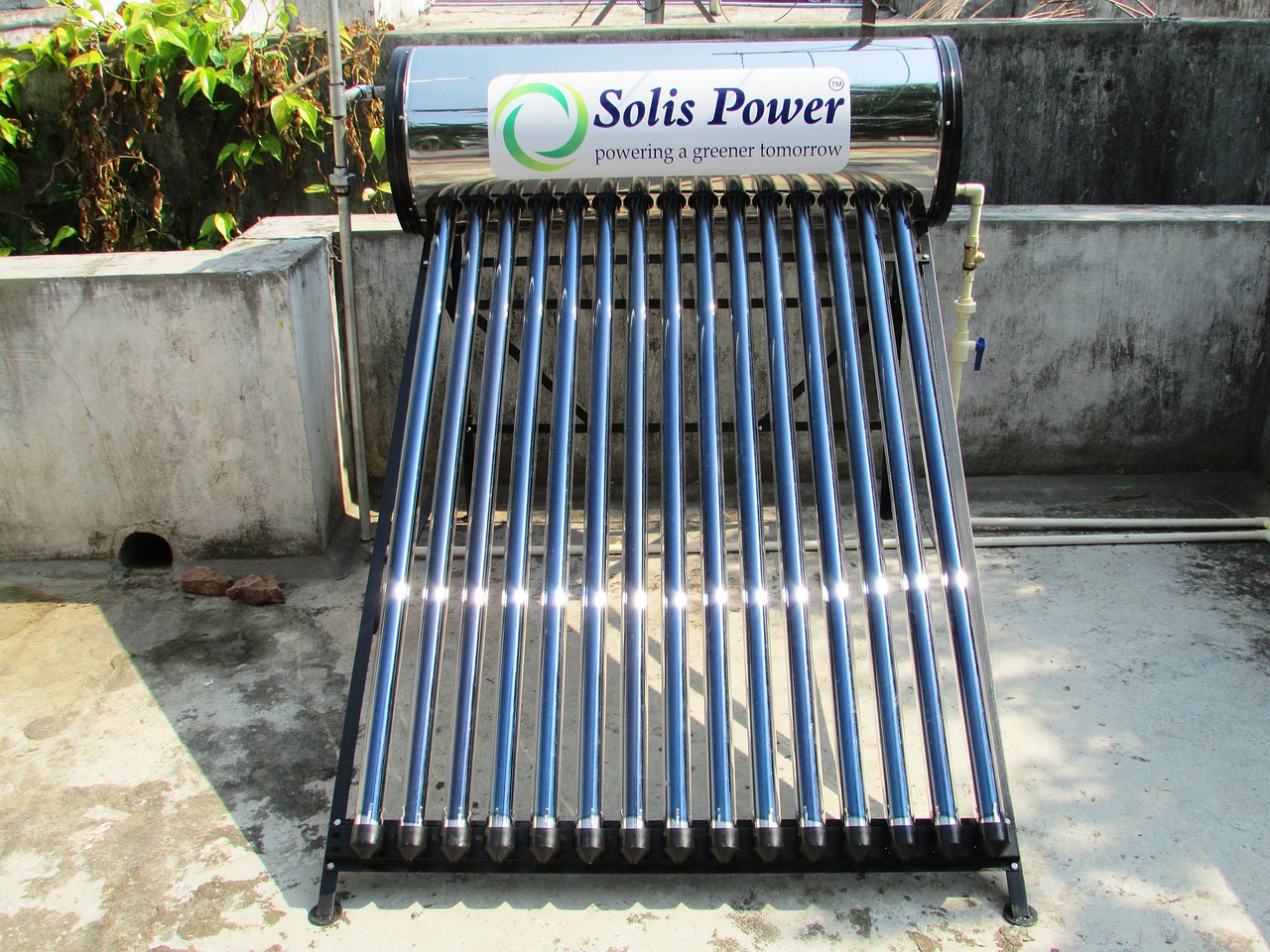
India says over half its installed electricity capacity is now non-fossil, a Paris Agreement goal reached five years early, and rooftop solar is zeroing bills.

The US Navy's air-launched hypersonic missile Blackbeard has passed a test step on an F/A-18. Here is what that means for the Indo-Pacific.

Envision says it has put the first integrated 800V DC power chain into live service at a large AI data center in China, using transformers, batteries and AI control.
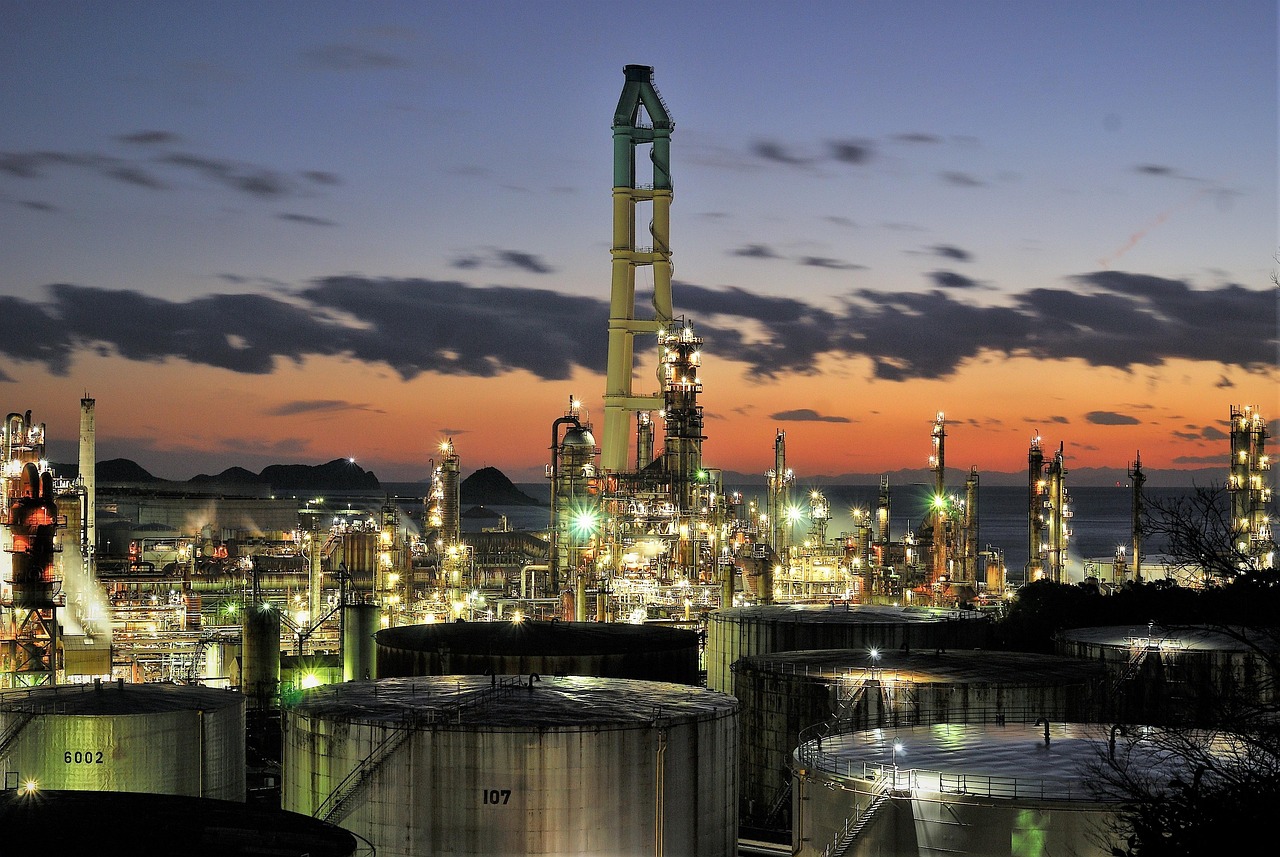
Brent is back above $106 after Monday's slide, as doubts grow over a US-Iran deal and US stock futures slip before the midterms.

Gold jumped back over $4,000 as Brent dived toward $95, Treasury yields fell and the dollar weakened in a post-election session that hit energy stocks hard.

WHO says six climate and health actions could save 1.6 million lives and bring trillions in yearly benefits, days before COP31 opens its Health Pavilion.

MIT scientists say flexible molecular connections, not rigid ones, can arrange nanoparticles in new ways, challenging a view that has held for about two decades.

Democrats won the House and Senate. Asia sold off, US futures swung, and chip stocks wobbled on data-centre worries while oil and Fed-hike bets stayed in focus.

The EU's environment agency says climate-amplified heat cost the bloc at least 1% of its economic output in 2026, hitting transport, energy and water supplies.

Sensex and Nifty rose for a fourth straight session as crude eased and foreign funds returned. Brent is still above $100, so the rally is fragile.

North Korea says it tested a cluster-bomb warhead on 31 October and will offer four types to its missile units by year-end. Here is what that would change.

China's economic planner says it will speed up AI legislation and set safety standards covering data, computing power and algorithms from development to deployment.

Democrats now hold both chambers, and analysts tie the result to the Iran war. Analysis of what that does and doesn't change for Washington's foreign policy.
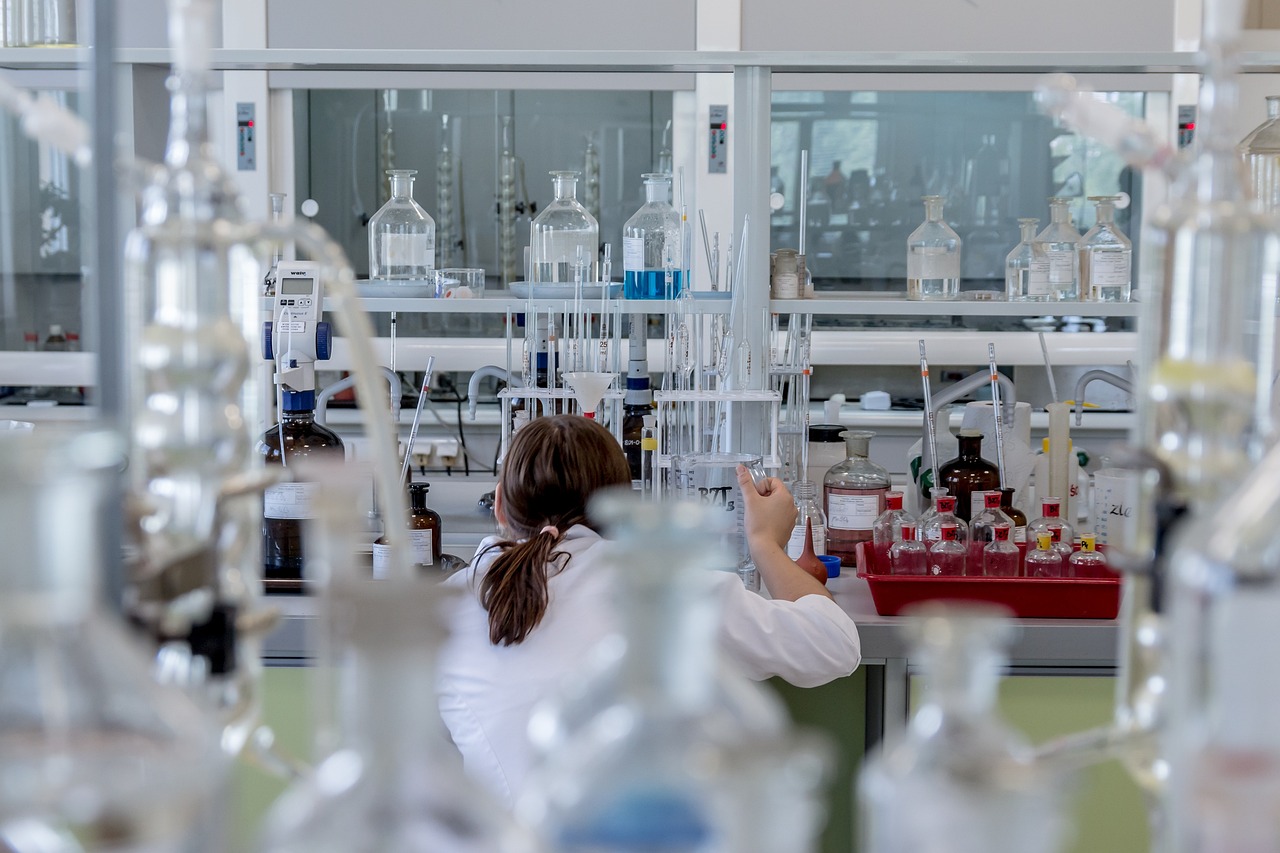
A bespoke mRNA vaccine, made from each patient's own tumour, cut the risk of death or skin cancer recurrence by 42% in a large clinical trial.

Brazil's COP30 presidency has published voluntary roadmaps on ending deforestation and moving off fossil fuels. Reaction is split between praise and doubts about pace.

Anthropic's amended IPO filing shows $33.2B in nine-month revenue against about $895B in compute commitments, putting the AI spending boom under scrutiny.
US chipmakers have fallen 12% in three days and the Nasdaq 100 is in correction. Oil dropped on Iran talks, but Kospi slid and India held firm.

The technology behind modern chatbots, explained without the jargon.

Biora's BioJet capsule has cleared ethics review in Australia for its first human study. It aims to replace injections of antibody drugs with a swallowed capsule.