How Batteries Are Reshaping Energy
The quiet technology that lets renewables and electric vehicles scale.

Solar panels and wind turbines generate power only when conditions allow. Batteries solve that mismatch by storing surplus electricity and releasing it when demand is high.
How they work
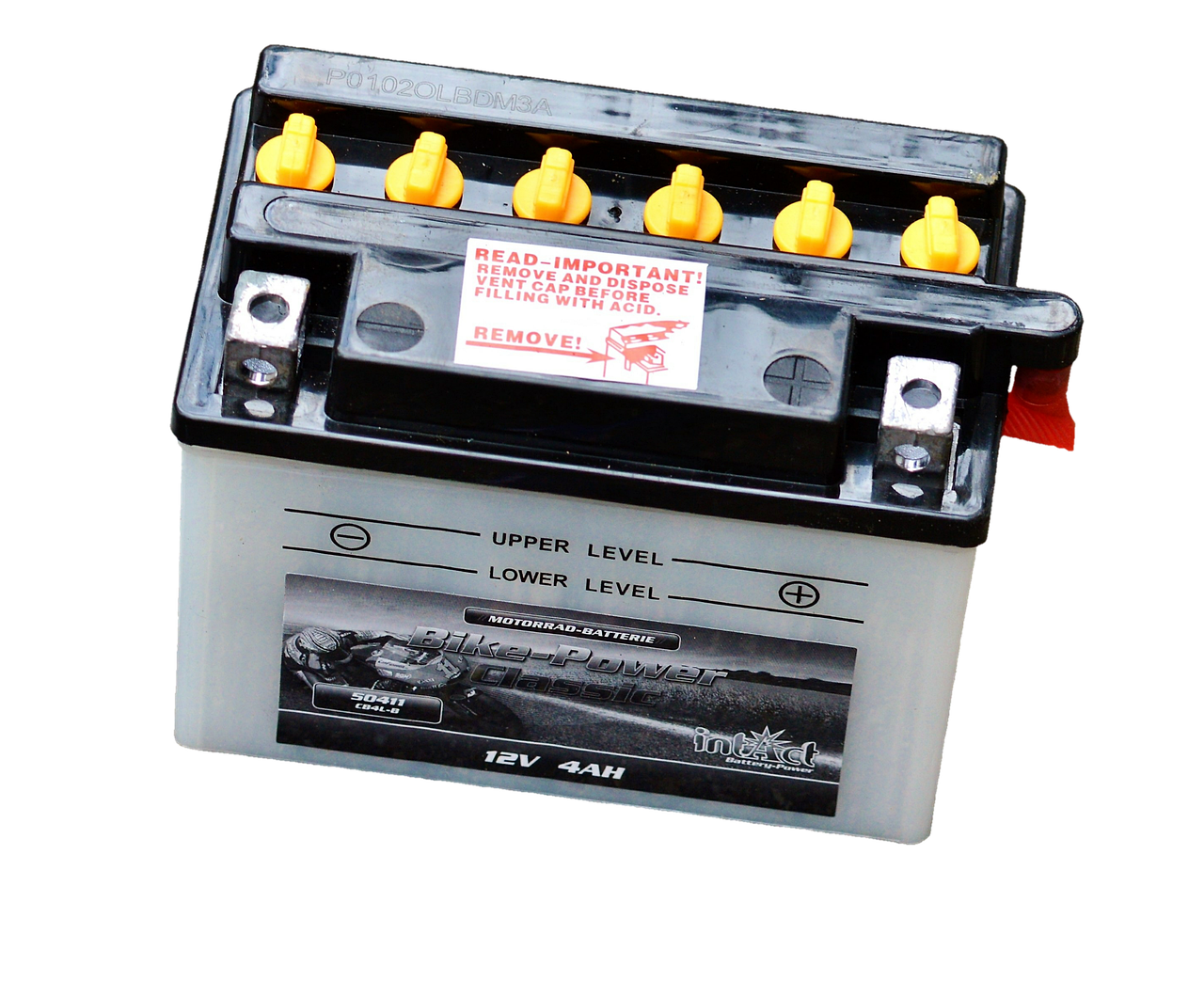
A battery moves charged particles between two electrodes through a liquid or solid material. Charging pushes them one way and discharging lets them flow back, producing usable current.
The lithium-ion era
Lithium-ion batteries power phones, laptops and most electric cars because they pack a lot of energy into little weight. As production scaled up, their price dropped dramatically.
What comes next
Researchers are exploring sodium-based batteries, solid-state designs and long-duration storage for grids, aiming for lower cost, longer life and less reliance on scarce materials.
Why it matters
Storage is a key piece in cutting emissions, stabilising power grids and making electric transport practical.
Background
Lithium-ion batteries were commercialised in the early 1990s and have improved steadily since.
What to watch
Watch for new battery chemistries reaching factories, grid-scale storage projects and recycling progress.
Sources & attribution
This explainer draws on widely documented public knowledge.
Explainer prepared with AI assistance. See our editorial standards. Spotted a mistake? Request a correction.
Get The Oval Brief
The essential global stories, delivered daily.
Keep reading
Donut Lab's Mystery Solid-State Battery Gets Outside Test Results, but Its Chemistry Is Still Unexplained
Finnish startup Donut Lab says independent tests back its solid-state battery. Lab results show only trace lithium and sodium, so what the cell is made of is still unclear.

A Needle-Free Capsule That Fires Drugs Into the Gut Gets Its Green Light for Human Trials
Biora's BioJet capsule has cleared ethics review in Australia for its first human study. It aims to replace injections of antibody drugs with a swallowed capsule.

Air Taxis Hit Two Milestones in One Day: A Firefighting Aircraft in China, an Airport Landing Pad in Florida
EHang unveiled a pilotless firefighting eVTOL while Joby flew into Orlando airport's new vertipad. Electric flight is moving from slideshows to real operations.