California Is Home to More Than 60,000 Insect Species, and a Third of Them Still Have No Name
A new study puts California's insect count above 60,000 species, with only about two-thirds formally described. Each site studied had its own community.
The Oval News
Discovery, research breakthroughs and the expanding edge of human knowledge.
9 stories

A new study puts California's insect count above 60,000 species, with only about two-thirds formally described. Each site studied had its own community.
After 35+ years of discoveries, Hubble is slowly losing altitude. NASA is exploring a commercial servicing plan to stop its eventual fiery plunge.
MIT scientists say flexible molecular connections, not rigid ones, can arrange nanoparticles in new ways, challenging a view that has held for about two decades.
New Large Hadron Collider results suggest small collisions can recreate the primordial matter of the early universe, challenging long-held assumptions.
CERN's LHCb team reports first evidence of a neutral B meson decaying into two muons, ending a 42-year search and giving the Standard Model a sharp new test.
After more than two decades studying the universe's most violent blasts, NASA's Swift observatory is forecast to burn up in the atmosphere early on 4 November.
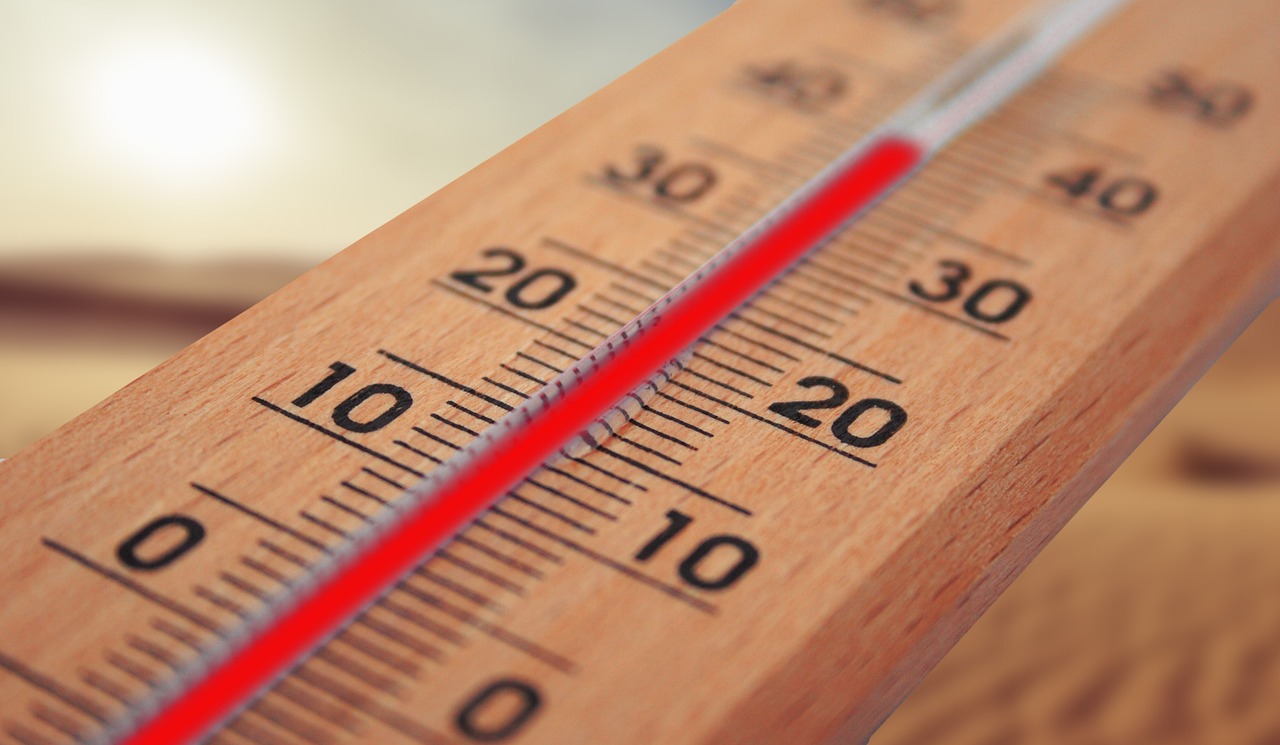
A new study says warming has jumped to about 0.35°C per decade, nearly double the 1970–2015 average. Here is what that means and what to watch.
Physicists say the laws that keep a black hole in one piece may have a loophole for extremely fast spinners. Future telescopes might be able to look for the effect.
Looking far away means looking back in time.
The Oval Brief
The essential global stories in technology, business, world affairs, defence, science and innovation — delivered daily.
Free. No spam. Unsubscribe any time. See our privacy policy.