India Hits Its 2030 Clean Power Pledge Five Years Early, While Rooftop Solar Wipes Out Bills
At a New Delhi clean-energy summit, India said non-fossil sources now make up more than half of its installed power capacity, and millions of homes are going solar.
India has reached a clean-energy target it had set for 2030, and it got there five years early. The announcement came on 2 November at the India Renewable Energy Summit and Expo-2026 at Bharat Mandapam in New Delhi. Prime Minister Narendra Modi told the audience that more than 50% of the country's installed electricity capacity now comes from non-fossil sources. That matches a goal India committed to under the Paris Agreement, and he said it was achieved in 2025.
What the milestone actually means
The figure measures installed capacity. That is the maximum amount of power the country's plants could produce. It is not the share of electricity actually generated in a given year. Solar and wind farms run only when the sun shines or the wind blows, so their share of real output is usually lower than their share of capacity. Even so, the capacity figure shows where the money and the construction work have been going. A country of this size passing the halfway mark on non-fossil capacity is a real shift in how its power system is being built.
A summary of the minister's remarks, published by an Indian current-affairs service, says India is the only G20 economy to have met this particular pledge. That claim comes from a secondary summary, so treat it as the government's framing rather than an independent ranking.
Solar on the roof, not just in the desert
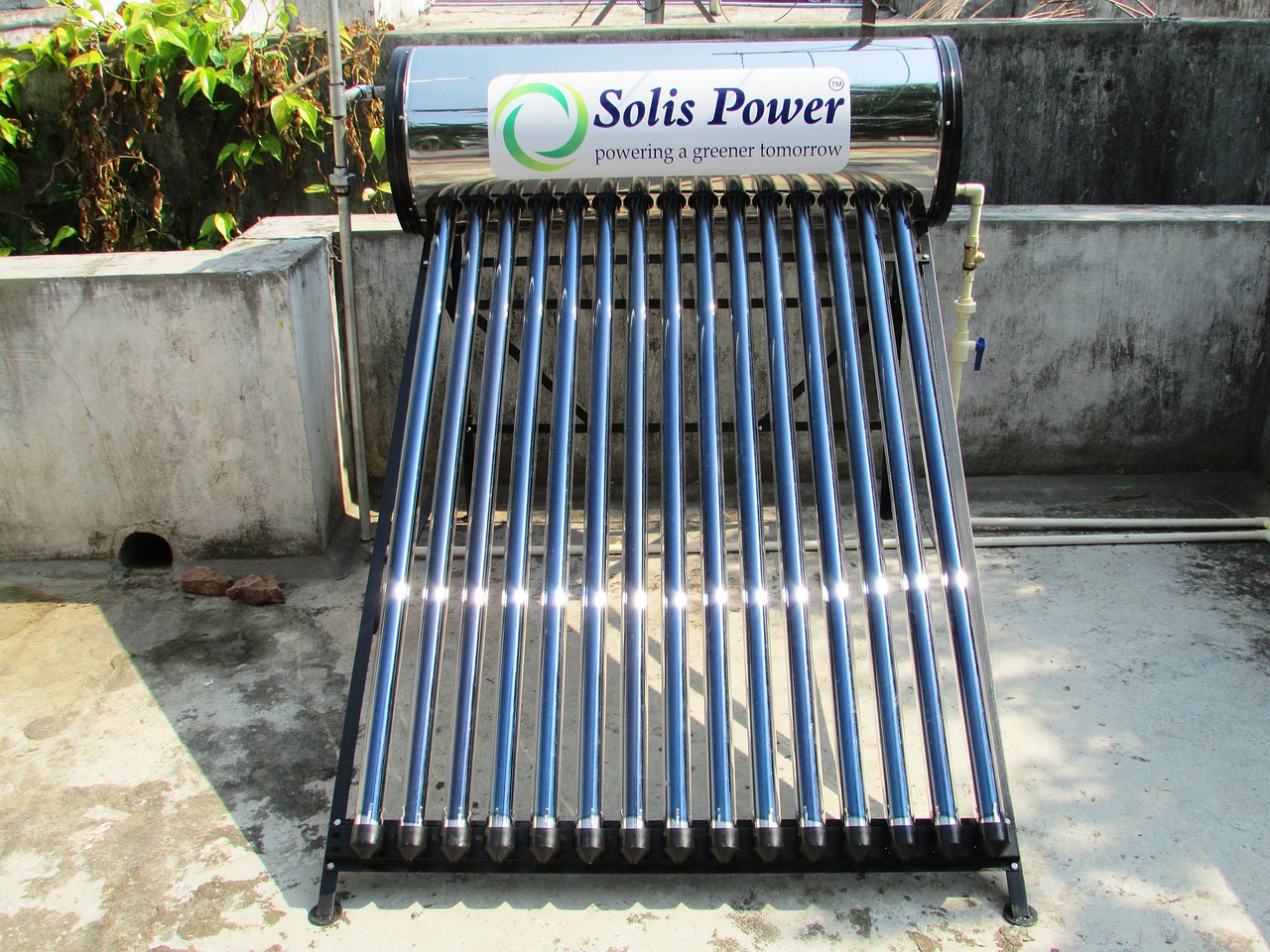
The other half of the story is about households. The Union Minister for New and Renewable Energy described a move toward a decentralised, people-led solar economy. The minister said that over 21 lakh of the 65 lakh households in the PM Surya Ghar Muft Bijli Yojana scheme have reached zero electricity bills. A lakh is 100,000, so that is more than two million homes.
The summit also pointed to regional leaders. Modi noted that Rajasthan ranks first in India for renewable generation and installed solar capacity. The state is a big part of the country's utility-scale solar story.
The summit's theme was 'One Earth, One Family, One Future'. Modi stressed India's interest in global clean-energy cooperation.
A fair look at the full picture
This is not a story of coal fading away. The same week, Coal India marked its 51st Foundation Day. It reported its highest-ever monthly coal supply, 70.3 million tonnes in October 2026, up 19% on the same month a year earlier. Those two facts sit side by side. India's demand for electricity is growing fast, and the country is adding clean capacity and burning more coal at once.
That is why the milestone is best read as progress rather than victory. The share of clean capacity is rising, and it passed an important threshold early. Whether the share of clean electricity actually generated follows depends on grid upgrades, storage and how quickly demand grows.
Grid and manufacturing push
The Central Electricity Authority has also been marking 50 years since its creation. It published a special edition reviewing the power sector's evolution. It highlights the 'One Nation One Grid' achievement and India's 500 GW clean-energy target, as well as the push to make power-sector equipment at home under the Make in India initiative. A single national grid matters for renewables because it lets solar power from sunny states flow to where it is needed.
The takeaway
For a country with more than a billion people, hitting a climate pledge half a decade early is a notable result. So is the quieter fact that millions of ordinary families have cut their power bills to nothing with panels on their roofs. The harder test is the next one: cutting fossil fuel use in absolute terms while the lights keep coming on for a growing economy.
Why it matters
India is one of the world's largest and fastest-growing energy users, so how it builds power affects global emissions. Passing the halfway mark on non-fossil capacity five years early shows that big emerging economies can move faster than their own targets. The rooftop-solar figures show the benefit reaching households through lower bills, not just through national statistics.
Background
Under its Paris Agreement commitments, India pledged that by 2030 about half of its installed electricity capacity would come from non-fossil sources. Installed capacity counts what plants can produce, not what they actually generate. India's government has pushed solar through large utility-scale parks and through the PM Surya Ghar scheme for rooftop panels. At the same time, rising power demand has kept coal output high.
What to watch
Watch whether the share of electricity actually generated from clean sources rises as fast as capacity. Other things to follow are progress toward the 500 GW clean-energy target, expansion of storage and grid links, and the rooftop-solar rollout beyond the first 21 lakh zero-bill homes. Also watch whether coal growth slows or keeps setting records. Mumbai is due to host the Earthshot Prize this month.
Sources & attribution
This AI-assisted summary is based on the reports below. Read them for the full original coverage.
- India reaches 50% non-fossil fuel power capacity target five years early (The News Mill) thenewsmill.com
- UPSC Daily Current Affairs 2 November 2026 (Insights on India) www.insightsonindia.com
- CEA Marks 50 Years, Highlighting One Nation One Grid and India's 500 GW Clean Energy Target (SolarQuarter) solarquarter.com
Drafted with AI assistance from the sources above. See our editorial standards. Spotted a mistake? Request a correction.
Get The Oval Brief
The essential global stories, delivered daily.
Keep reading

India Sets Its COP31 Agenda as Delhi Hosts a 120-Nation Solar Gathering
India says climate finance, adaptation and a fair transition are its priorities for COP31, as Delhi hosts the International Solar Alliance Assembly.

A Decade of Patient Work Pays Off as Radio Telescope Data Opens a New Way to Map the Universe
The MeerKLASS team has measured the large-scale clustering of cosmic hydrogen for the first time. The result could change how we chart the universe.

Dinosaur Blood Chemistry Found in a 115-Million-Year-Old Fossil, Rewriting What Can Survive Deep Time
A PNAS study reports intact biomolecules and mineralised red blood cells in a 115-million-year-old dinosaur, challenging old assumptions about fossil chemistry.