Search
114 results for “AI spending”

OpenAI has reportedly scaled back its fundraising target, adding to signs that investors are asking tougher questions about AI's huge spending.

Anthropic's amended IPO filing shows $33.2B in nine-month revenue against about $895B in compute commitments, putting the AI spending boom under scrutiny.

After the US midterms, markets split: data-center stocks sank, Big Tech rallied, and Wall Street began asking who now sets the rules for AI's build-out.

Asian chip stocks dropped sharply after projections of a Democratic win in Congress. Investors fear curbs on the data-centre buildout that drives AI chip demand.

Oracle wants $20B in new stock and bonds for AI buildout as Nasdaq wobbles and Big Tech earnings loom. Here is why the financing side of AI is the story to watch.

Fal's $1.3B Series F, plus rounds for AI outage-fixers and a Chinese video-chip maker, show investors backing the plumbing that keeps AI running.

Apple beat on iPhones but warned that rising memory costs will pinch margins. The news dragged the Dow as Wall Street also watched midterms and a shaky chip sector.

A chip sell-off hit Korea and Taiwan hardest and pushed the Nasdaq 100 into a correction. Our analysis asks whether markets are moving from AI hype to AI accounting.

Korea's Kospi sank more than 5% and triggered a trading pause as chip stocks sold off. Hong Kong, Australia and India rallied on cheaper oil.

A Myanmar school was hit from the air, killing three children. In Mozambique, thousands more have fled again. Aid agencies say funding is shrinking.

EHang unveiled a pilotless firefighting eVTOL while Joby flew into Orlando airport's new vertipad. Electric flight is moving from slideshows to real operations.

China's economic planner says it will speed up AI legislation and set safety standards covering data, computing power and algorithms from development to deployment.

Israel's election body found no fraud in last week's vote. After the US midterms, Netanyahu's rivals say his support from Washington is no longer a safe bet.

Google will let schools disable its AI tools, but reports say doing so can mean losing Search in those classrooms. Here is why that trade-off matters.

China's state planner says AI safety legislation is coming, covering development through deployment, with regulatory sandboxes and support for displaced workers.

Trump says the US will stop giving Israel about $4 billion a year in military aid from 2027. Weapons sales will continue, and Congress may push back.

Canva is cutting 1,271 jobs, about 22% of its workforce, after lowering its growth forecast. Rivals' AI tools are adding pressure, though Canva doesn't cite AI.

UN agencies say an encircled Taiz is near collapse, with hospitals failing, thousands displaced and aid blocked, just as the Security Council prepares its Yemen decisions.

US forces struck Iran's Qeshm Island after Iranian fire on an American aircraft. Officials call it defensive, while Trump says he is in no rush to resume fighting.

Apple's iOS 27.3 developer betas let any app plug into Siri through App Intents, with support for personal context, onscreen awareness and multi-step actions.

Australian data out today shows prevention gets 2.8% of government health spending, well below the 5% target. Two tobacco studies point to one possible fix.

A 24-year study of more than 8,200 adults links excess body weight to faster declines in memory, focus and decision-making skills.

Reports point to an Nvidia revenue condition for Asian clouds, DeepSeek training on Huawei chips, and a big Korean state AI budget.

Thirteen months after the Gaza truce began, aid is far below target, strikes continue and talks on disarmament and withdrawal remain deadlocked.

Envision says it has put the first integrated 800V DC power chain into live service at a large AI data center in China, using transformers, batteries and AI control.

US envoy Steve Witkoff says Russia, Ukraine and the US will resume peace talks in Abu Dhabi on 10–11 November. Russia has still not agreed to a ceasefire.

ADNOC has signed a multi-year deal with OpenAI and G42 to run coordinated AI agents across its business, including a tool to value oil barrels still underground.

Taiwan wants to criminalise unauthorised exports of advanced AI chips to China, after servers bought on the island reached Chinese buyers through third countries.
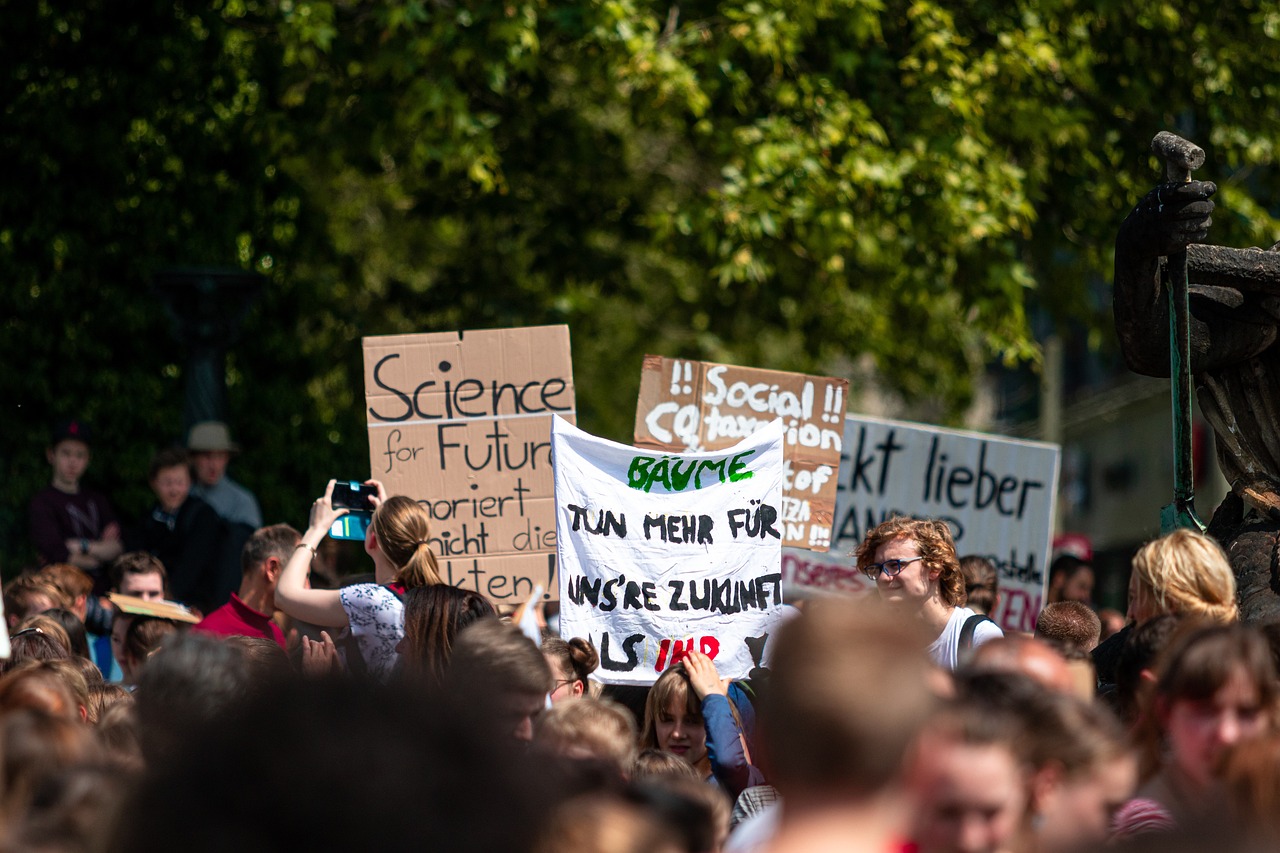
Why certain gases warm the planet, and why that matters.

The Federal Election Commission’s records offer a rare clear view of one side of modern politics: how much it costs to compete for attention.