A year on, Gaza's 'ceasefire' is fraying: aid short, strikes daily and talks stuck
New October figures from Gaza's authorities, and a pile of UN and NGO warnings, show a truce that has cut the war's intensity but not ended the killing.
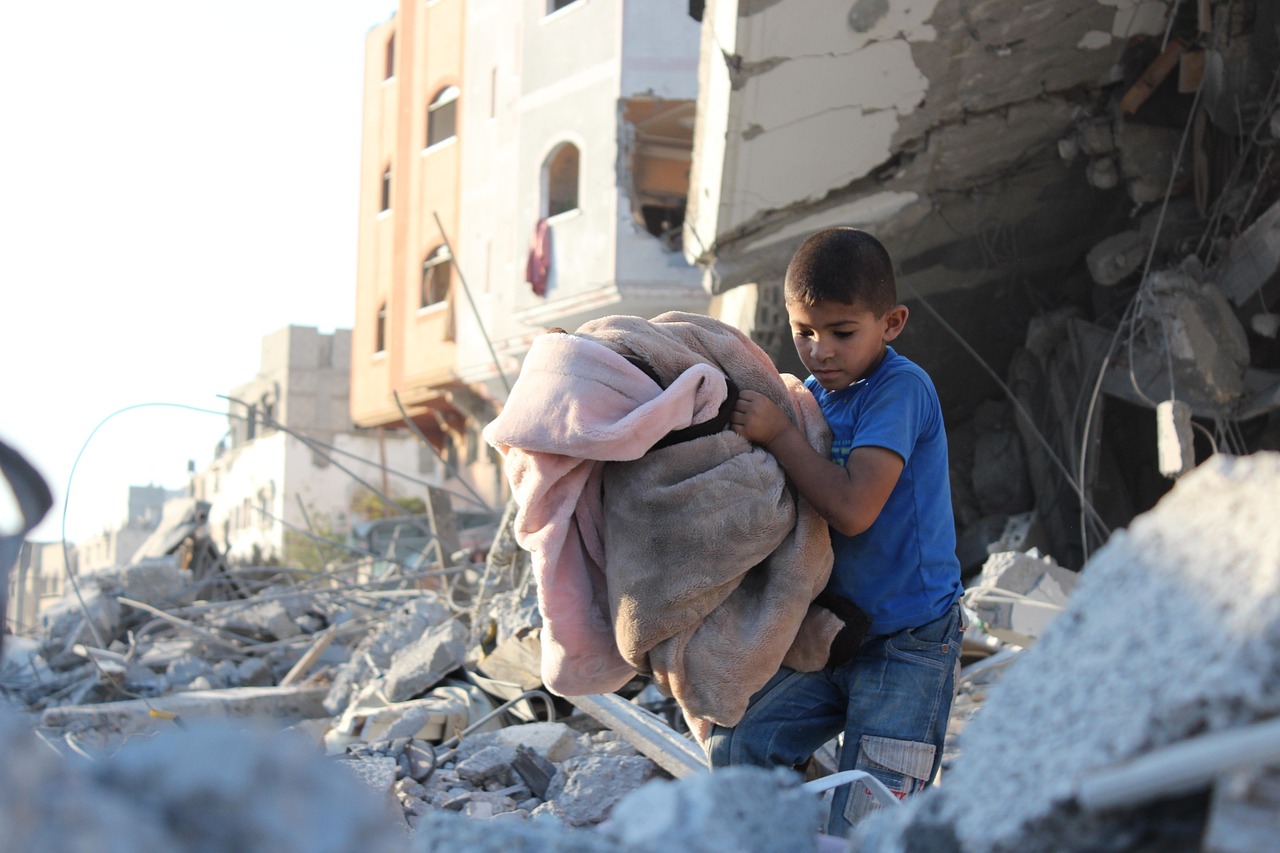
When the Gaza ceasefire took effect on 10 October 2025, it was sold as the end of the worst phase of the war. Thirteen months later, the people who live under it describe something much more fragile. A fresh set of numbers published on Monday shows how far the reality sits from the promise.
The October tally
Gaza's Government Media Office, which is run by the Hamas-led authorities, said it had documented 5,989 Israeli violations of the truce since it began. It put 753 of those in October alone, and pointed to continuing limits on aid, fuel shipments and travel through the Rafah crossing. By its count, the violations have killed 1,593 Palestinians and injured 5,748.
The office broke October down into 346 shooting incidents, 310 strikes, 64 home demolitions, 21 incursions and 12 arrests, an average of 24.3 violations a day. On aid, it said 3,777 trucks entered during the month, only 20.3 percent of the 18,600 the agreement stipulates.
These are figures from one side of the conflict and should be read that way. Israel has not accepted this account. It says Hamas has been rearming and attacking in breach of the truce, while Hamas denies this and accuses Israel of undermining the deal. Even so, the broad direction matches what aid groups and the UN have been saying for weeks.
What aid groups and the UN are saying
On the first anniversary, more than 100 humanitarian and human rights organisations said the ceasefire exists in name only, pointing to daily killings and restrictions on aid and rebuilding materials. Their statement said nearly two million people still need shelter, no hospital is fully functioning and 1.4 million face crisis-level hunger.
UN Secretary-General António Guterres has said the truce has yet to deliver security, adequate humanitarian aid or a credible path to recovery and peace. Last week a UN commission went further. It concluded that Israel kept committing genocide in Gaza after the ceasefire, and said the "Yellow Line", presented as a temporary dividing line, is turning into a de facto border. Israel has long rejected such accusations.
A political stalemate
The harder problem is that the truce was meant to be a bridge to something else, and that something has not arrived. A year in, talks have failed to settle terms for Hamas to disarm, for Israel to withdraw and for reconstruction to begin. Even a US diplomat has voiced doubts. Ambassador Mike Huckabee questioned whether President Trump's Board of Peace can deliver the Gaza plan without more planning and resources.
Politics is part of the delay. A weekly briefing summarising Axios reporting says the plan has been stuck because Netanyahu refused to take any steps in Gaza before the election. The same briefing notes that a deadly attack on Israeli soldiers near Hebron set off a sweeping Israeli operation that displaced thousands of Palestinians. Violence in the occupied West Bank is feeding the same pressures.
Military action in Gaza has also continued. Israel's government said its forces killed Izz al-Din Al-Beik, a senior Hamas commander it accused of planning attacks and recruiting.
Overshadowed by Iran
Gaza is also losing the diplomatic spotlight. Mediators, Qatar prominent among them, are consumed by efforts to end the eight-month US-Israeli war with Iran, with Washington and Tehran trading threats and limited strikes. That leaves fewer officials with the time or leverage to push the Gaza file forward.
The result is a kind of limbo. It is quieter than full-scale war, and the Gaza health ministry's reported toll has reached 74,570, yet it still produces casualties every day. Nearly two million people remain in need of shelter, while the political deals that would let them rebuild are no closer. For residents, a ceasefire that stops some bombs but not the hunger, the displacement or the uncertainty is a thin kind of peace.
Why it matters
The Gaza truce is the template for ending a modern war through a phased, US-brokered plan. If it stays hollow, with limited aid, continued strikes and no agreement on disarmament or withdrawal, it weakens trust in that model and leaves nearly two million people in prolonged hardship. It also shows how one crisis, here the Iran war, can crowd another off the diplomatic agenda.
Background
The Gaza ceasefire took effect on 10 October 2025 under a US-backed 20-point plan, which also created a Board of Peace and bodies to administer Gaza. The war began after the Hamas-led attacks of 7 October 2023. Palestinian authorities say tens of thousands have died since. Disarming Hamas, Israeli withdrawal and reconstruction have been the unresolved sticking points ever since.
What to watch
Watch whether Israel's election and the formation of a new government unlock the stalled second phase. Also watch for monthly aid-truck numbers, any fresh Israeli operations in Gaza or the West Bank, and whether mediators can refocus on Gaza if an Iran deal is struck, or lose even more attention if fighting with Iran resumes.
Sources & attribution
This AI-assisted summary is based on the reports below. Read them for the full original coverage.
- Gaza documents 5,989 Israeli ceasefire violations since truce took effect - ABNA English en.abna24.com
- Gaza ceasefire exists in name only, say more than 100 organizations - Amnesty International www.amnesty.org
- Weekly Middle East News Briefing, October 29, 2026 maeelisecannon.substack.com
- Gaza News - NBC News www.nbcnews.com
Drafted with AI assistance from the sources above. See our editorial standards. Spotted a mistake? Request a correction.
Get The Oval Brief
The essential global stories, delivered daily.
Keep reading

A school bombed in Myanmar, families on the run in Mozambique: civilians pay the price as aid runs short
A Myanmar school was hit from the air, killing three children. In Mozambique, thousands more have fled again. Aid agencies say funding is shrinking.

Trump admits Iran war cost him votes, as Asia pushes for talks and Washington squeezes Indian firms
Trump concedes Iran hurt Republicans in the midterms. Tehran gloats, Islamabad and Beijing urge talks, and new US sanctions hit India-based firms.

Washington to stop paying Israel $4 billion a year in military aid, but arms sales will go on
Trump says the US will stop giving Israel about $4 billion a year in military aid from 2027. Weapons sales will continue, and Congress may push back.