Search
45 results for “tea”
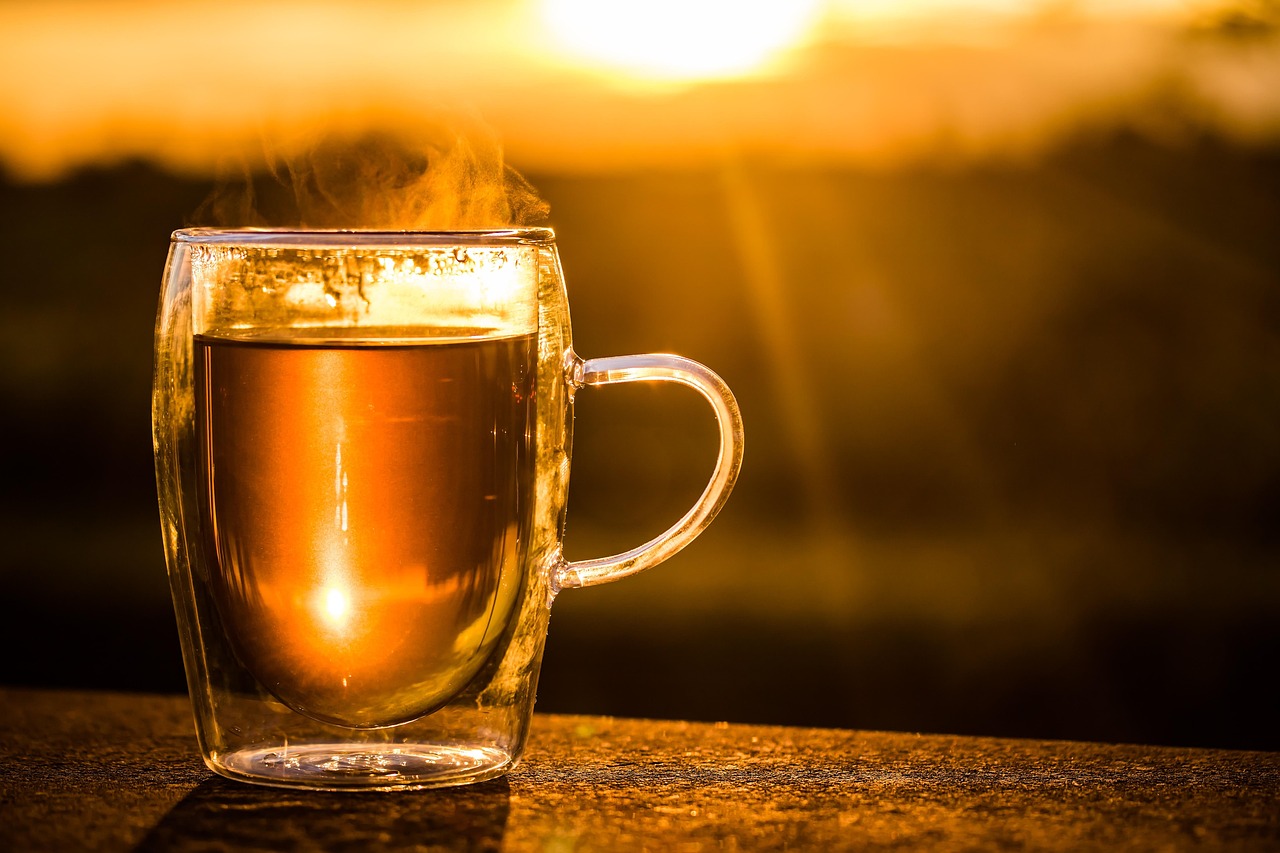
A study of almost 486,000 adults links regular tea drinking to an 11% lower risk of heart and blood vessel disease. It shows an association, not proof.

KAIST researchers in South Korea say an anode-free battery design could shrink EV packs and extend driving range. Their work targets uneven lithium growth on copper.

ADNOC has signed a multi-year deal with OpenAI and G42 to run coordinated AI agents across its business, including a tool to value oil barrels still underground.

The MeerKLASS team has measured the large-scale clustering of cosmic hydrogen for the first time. The result could change how we chart the universe.

A PNAS study reports intact biomolecules and mineralised red blood cells in a 115-million-year-old dinosaur, challenging old assumptions about fossil chemistry.

Canva is cutting 1,271 jobs, about 22% of its workforce, after lowering its growth forecast. Rivals' AI tools are adding pressure, though Canva doesn't cite AI.

CERN's LHCb team reports first evidence of a neutral B meson decaying into two muons, ending a 42-year search and giving the Standard Model a sharp new test.
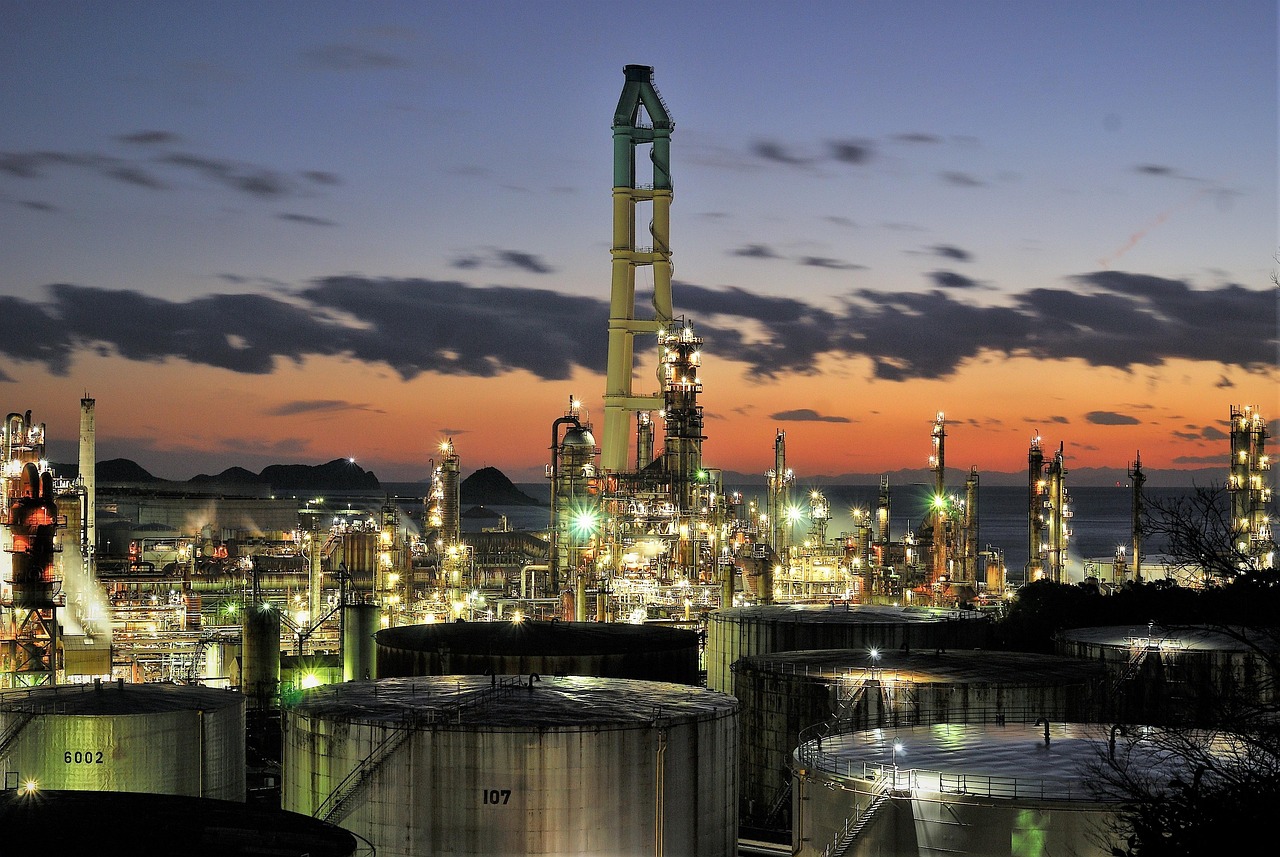
Brent is back above $106 after Monday's slide, as doubts grow over a US-Iran deal and US stock futures slip before the midterms.

Agility Robotics was due to start trading on Nasdaq on 5 November. Orders for factory robots are rising, and humanoid firms now talk about contracts, not demos.

Apple beat on iPhones but warned that rising memory costs will pinch margins. The news dragged the Dow as Wall Street also watched midterms and a shaky chip sector.

COP31 organisers want countries to back raising electricity's share of final energy demand from about 20% to 35% by 2035. The pledge would be voluntary.

Analysts say a Russian military satellite's close pass of a Finnish radar satellite may have been an attack rehearsal, as two more craft approach another target.

A new study puts California's insect count above 60,000 species, with only about two-thirds formally described. Each site studied had its own community.

One in four adolescents worldwide got no daily hour of exercise in the past week, and the global average hasn't budged since 2010, a major new study finds.

EHang unveiled a pilotless firefighting eVTOL while Joby flew into Orlando airport's new vertipad. Electric flight is moving from slideshows to real operations.

Fal's $1.3B Series F, plus rounds for AI outage-fixers and a Chinese video-chip maker, show investors backing the plumbing that keeps AI running.

For nearly 90 years magnetism had two known types. Scientists now say a third, altermagnetism, is confirmed, and that squeezing the material changes how it behaves.

A Democratic takeover of Congress threatens the White House's plan for a $1.5 trillion defence budget and opens the Pentagon to tougher scrutiny.

MIT scientists say flexible molecular connections, not rigid ones, can arrange nanoparticles in new ways, challenging a view that has held for about two decades.

Google will let schools disable its AI tools, but reports say doing so can mean losing Search in those classrooms. Here is why that trade-off matters.

NASA's Swift space observatory is due to re-enter Earth's atmosphere on 4 November, ending a nearly 22-year run of cosmic discovery.
A major new study finds even modest drinking raises the risk of cancer, heart disease and early death, and finds no overall health benefit from alcohol.
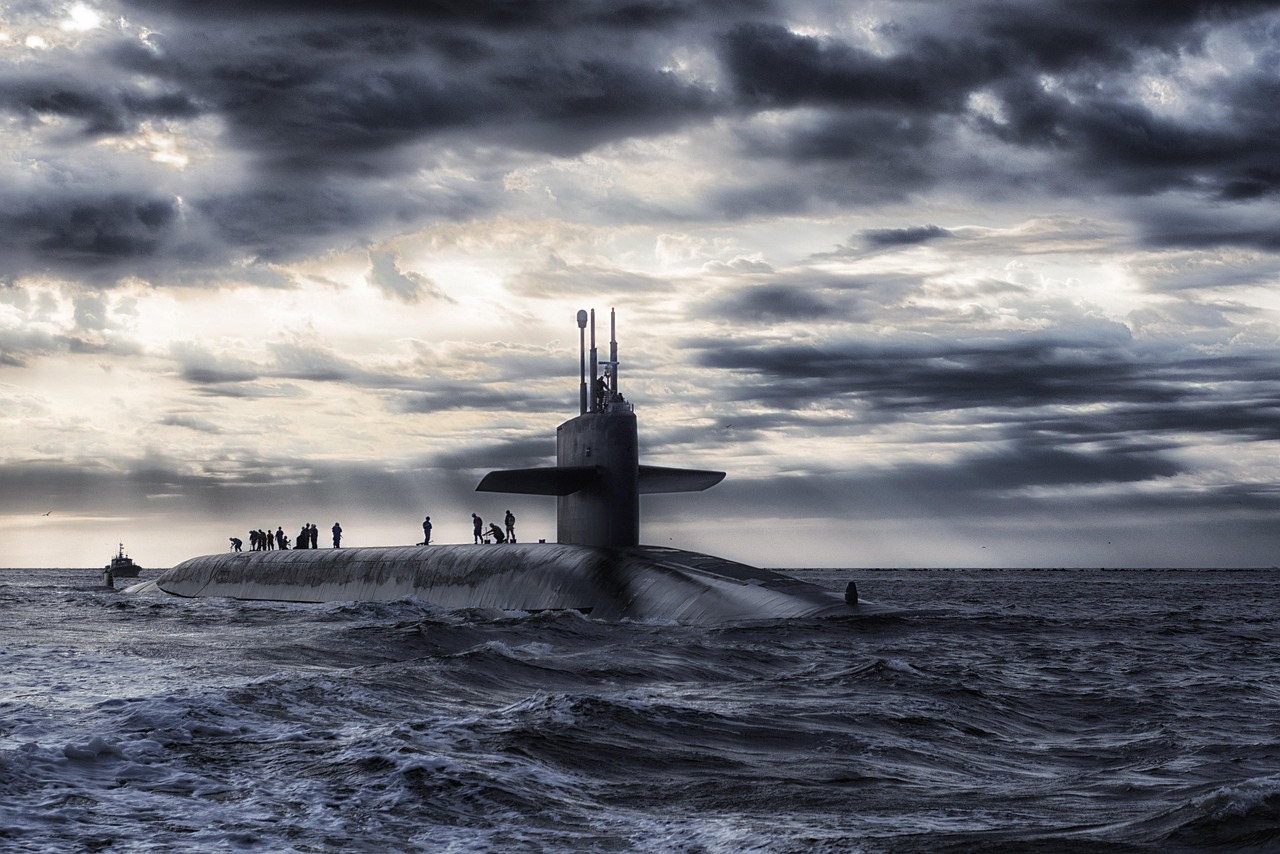
The Navy's 1,000th ESSM Block 2 has arrived for a 12-nation consortium. Deliveries have doubled in about a year, a sign of how much demand there is for ship air defence.

New Large Hadron Collider results suggest small collisions can recreate the primordial matter of the early universe, challenging long-held assumptions.

Democrats won the House and Senate. Asia sold off, US futures swung, and chip stocks wobbled on data-centre worries while oil and Fed-hike bets stayed in focus.
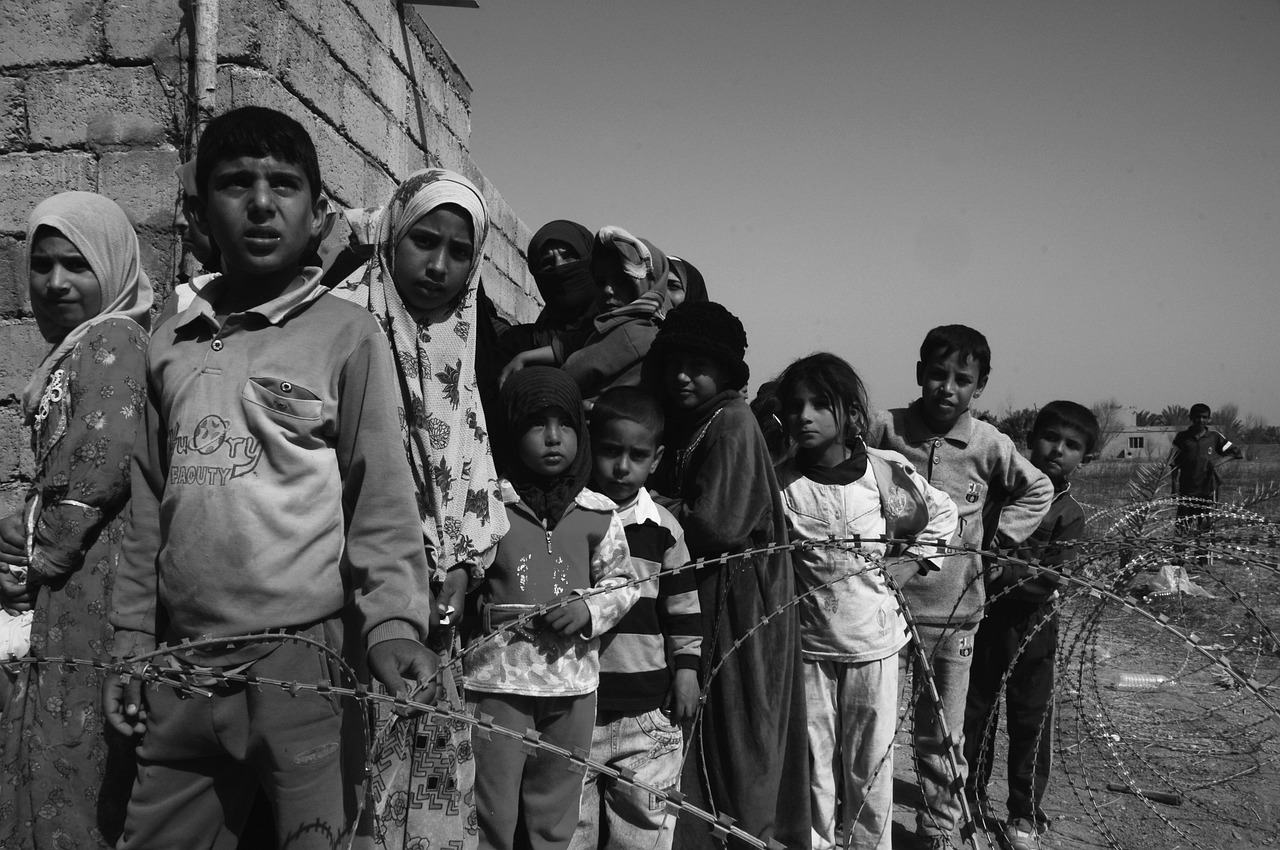
UN agencies say an encircled Taiz is near collapse, with hospitals failing, thousands displaced and aid blocked, just as the Security Council prepares its Yemen decisions.
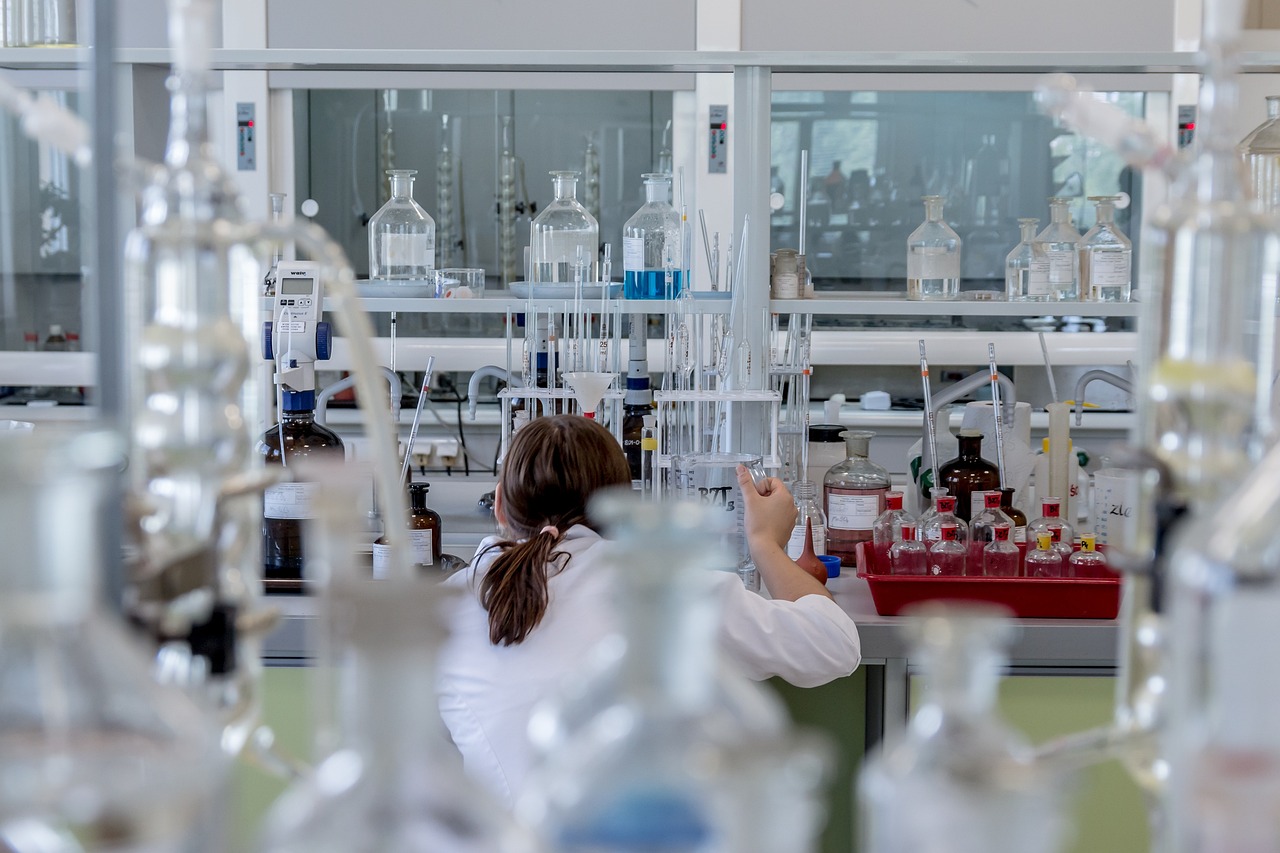
A bespoke mRNA vaccine, made from each patient's own tumour, cut the risk of death or skin cancer recurrence by 42% in a large clinical trial.
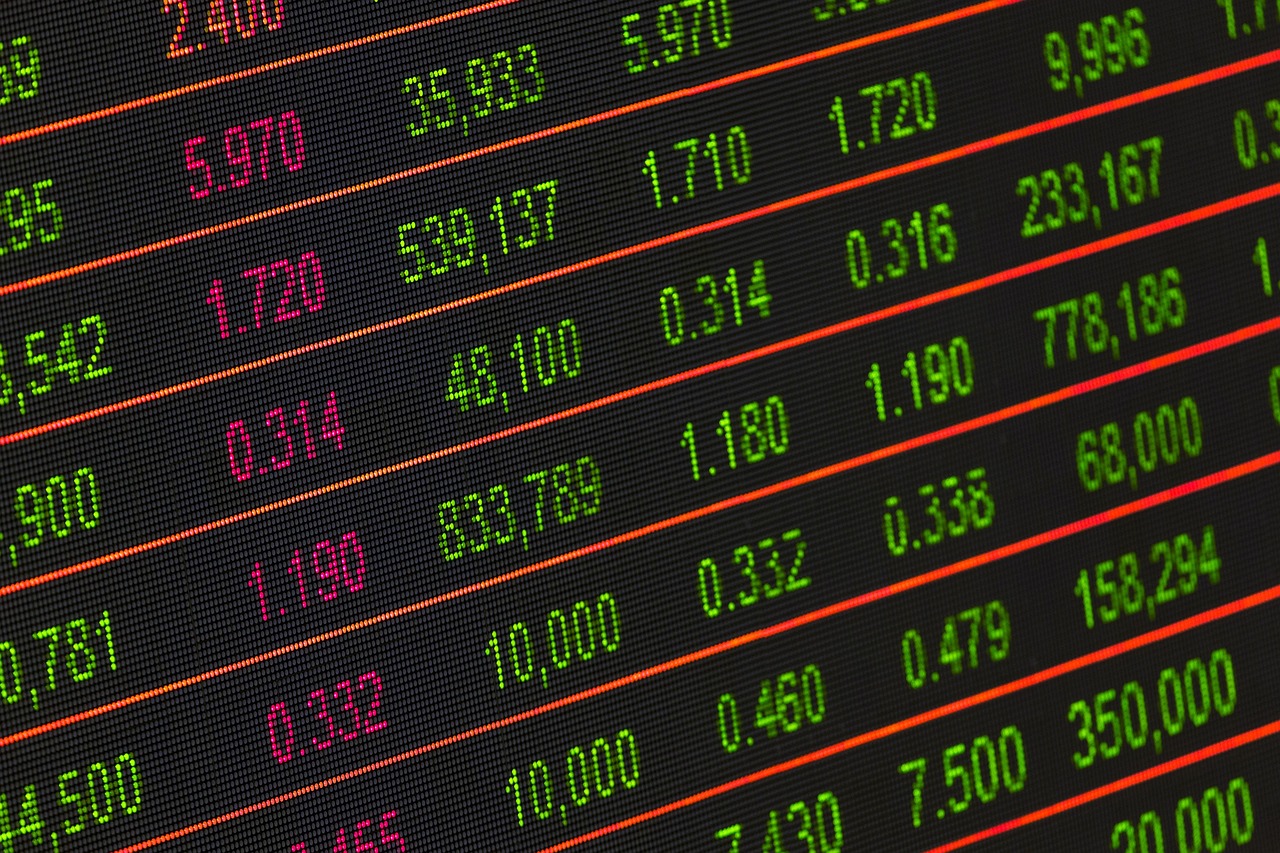
Asian chip stocks dropped sharply after projections of a Democratic win in Congress. Investors fear curbs on the data-centre buildout that drives AI chip demand.
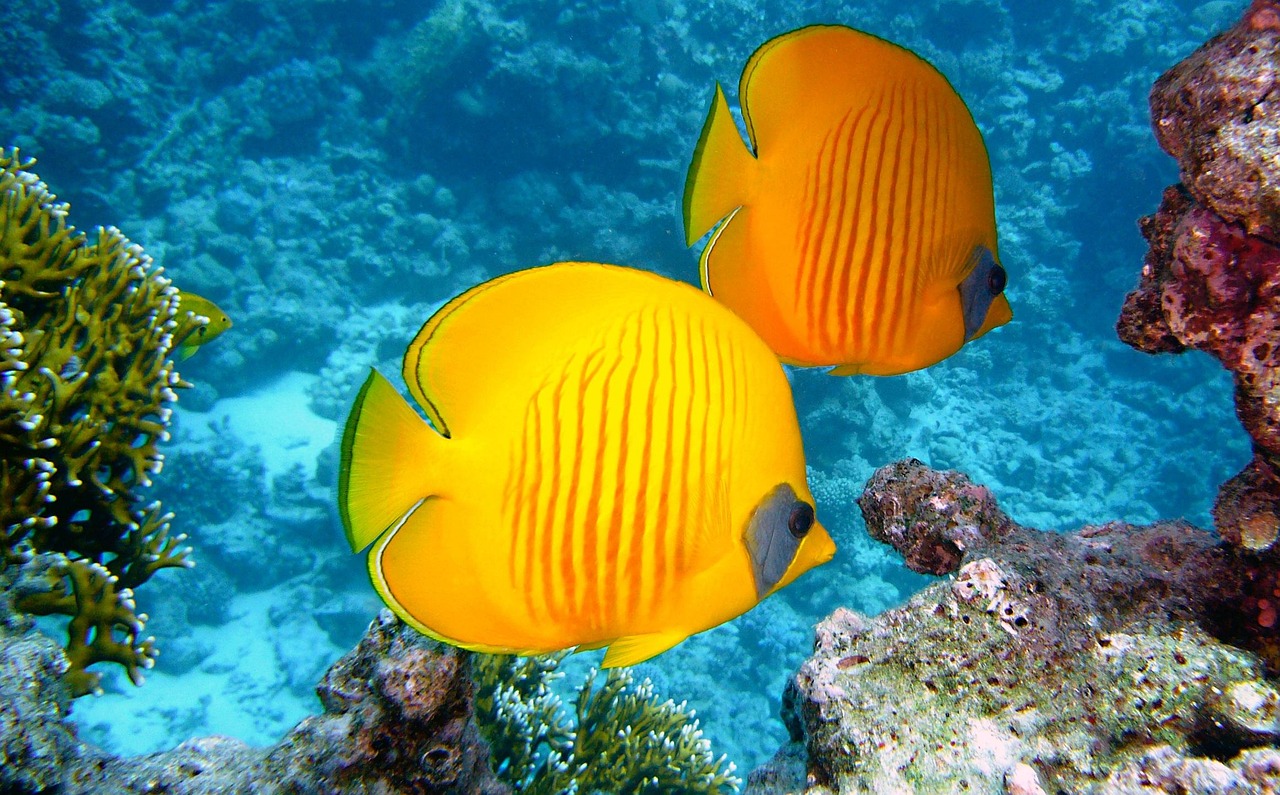
Bleached coral pieces that touched a healthy clone recovered in seven weeks, while nine donors pledged $500 million to prevent extinctions.

India's call for an end to the West Asia conflict is more than diplomacy. It is a bill for lost lives, shaky shipping lanes and expensive oil.