Search
23 results for “observational study”

A study of almost 486,000 adults links regular tea drinking to an 11% lower risk of heart and blood vessel disease. It shows an association, not proof.

A major new study finds even modest drinking raises the risk of cancer, heart disease and early death, and finds no overall health benefit from alcohol.

A 24-year study of more than 8,200 adults links excess body weight to faster declines in memory, focus and decision-making skills.
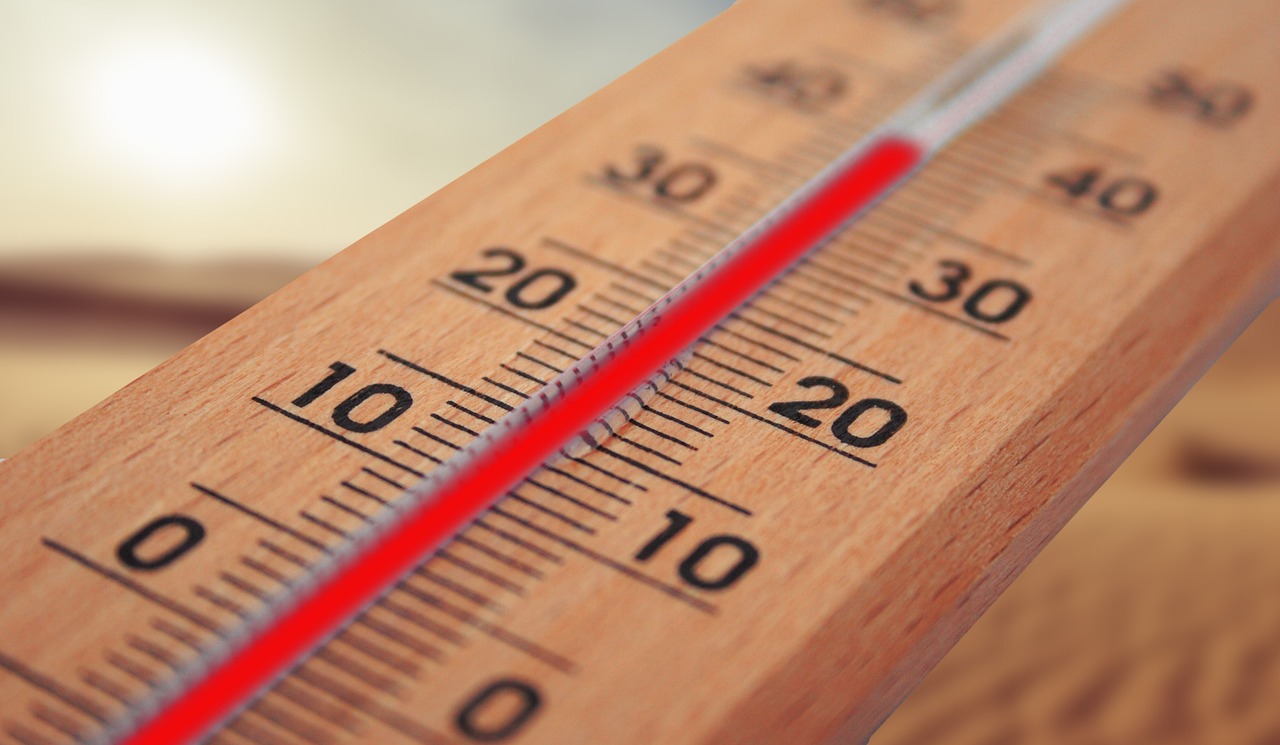
A new study says warming has jumped to about 0.35°C per decade, nearly double the 1970–2015 average. Here is what that means and what to watch.

Physicists say the laws that keep a black hole in one piece may have a loophole for extremely fast spinners. Future telescopes might be able to look for the effect.

Biora's BioJet capsule has cleared ethics review in Australia for its first human study. It aims to replace injections of antibody drugs with a swallowed capsule.

A new study puts California's insect count above 60,000 species, with only about two-thirds formally described. Each site studied had its own community.

A PNAS study reports intact biomolecules and mineralised red blood cells in a 115-million-year-old dinosaur, challenging old assumptions about fossil chemistry.

One in four adolescents worldwide got no daily hour of exercise in the past week, and the global average hasn't budged since 2010, a major new study finds.

New Large Hadron Collider results suggest small collisions can recreate the primordial matter of the early universe, challenging long-held assumptions.

After more than two decades studying the universe's most violent blasts, NASA's Swift observatory is forecast to burn up in the atmosphere early on 4 November.

Looking far away means looking back in time.

After 35+ years of discoveries, Hubble is slowly losing altitude. NASA is exploring a commercial servicing plan to stop its eventual fiery plunge.

For nearly 90 years magnetism had two known types. Scientists now say a third, altermagnetism, is confirmed, and that squeezing the material changes how it behaves.

NASA's Swift space observatory is due to re-enter Earth's atmosphere on 4 November, ending a nearly 22-year run of cosmic discovery.

Phase 2 results for plonmarlimab, a GM-CSF-blocking antibody, are now in a peer-reviewed journal. A Phase 3 trial is under way in China.

Early polling suggests young voters moved sharply toward Democratic House candidates. That is a snapshot of an election, not a permanent generational label.

A Democratic Congress changes the negotiating landscape for U.S. trade and foreign policy, though it cannot simply overturn every White House decision.

Surprising Senate results in Republican-leaning states show why a state’s voting history is useful evidence, not a permanent political identity.
A bespoke mRNA vaccine, made from each patient's own tumour, cut the risk of death or skin cancer recurrence by 42% in a large clinical trial.

In the RESET for Remission trial, 54% of under-45s who finished an intensive diet-and-exercise programme reversed type 2 diabetes. Under standard care, 4% did.

Australian data out today shows prevention gets 2.8% of government health spending, well below the 5% target. Two tobacco studies point to one possible fix.
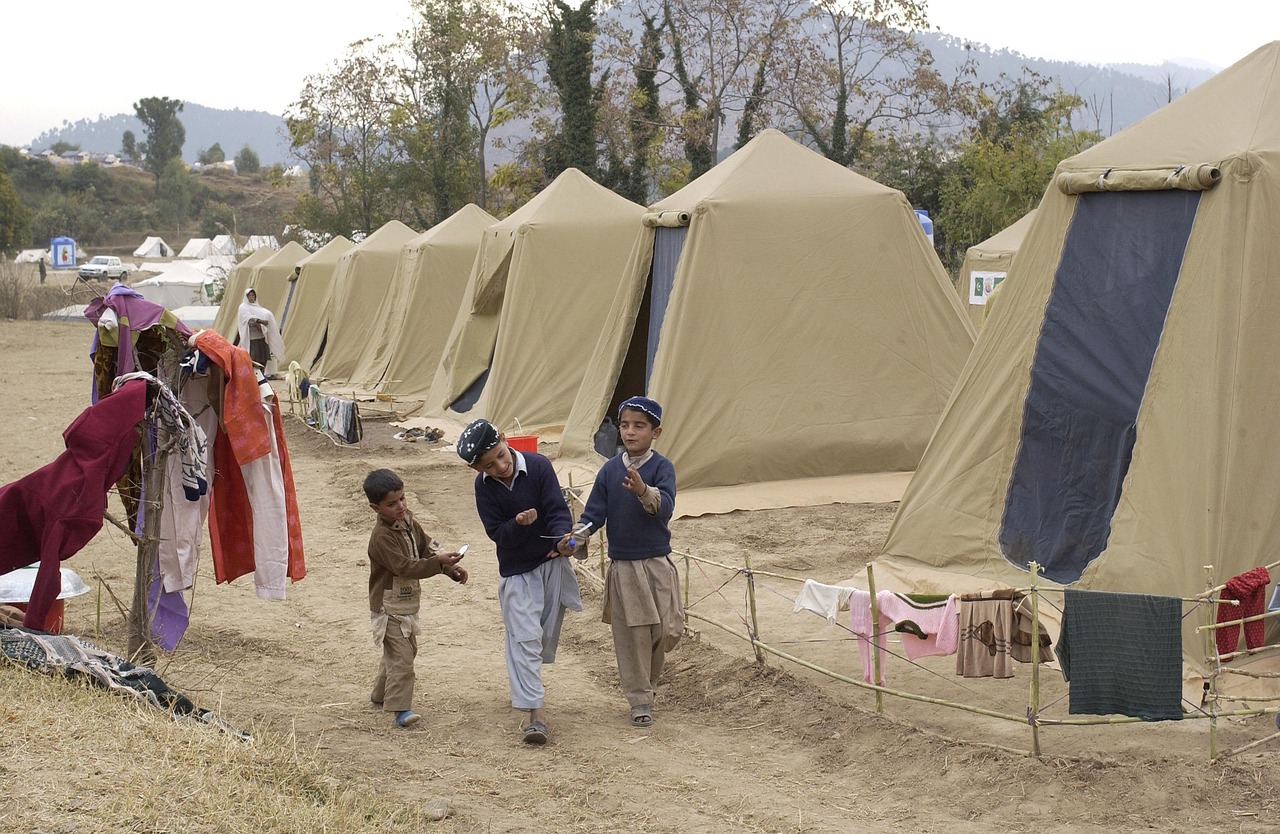
One year after the RSF took El Fasher, the Darfur city is mostly empty, thousands are missing, and Britain has sanctioned 15 commanders as the war grinds on.