Search
38 results for “nutrition research”
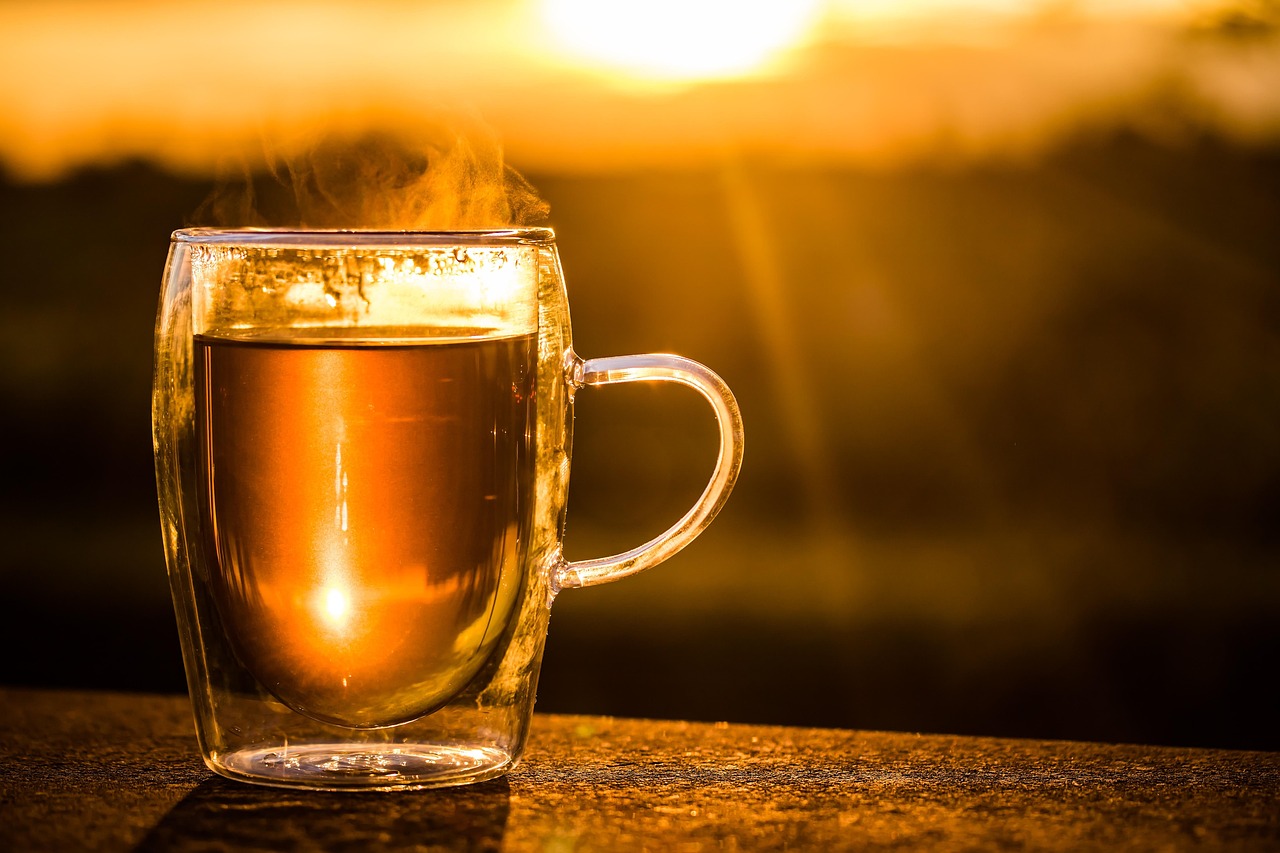
A study of almost 486,000 adults links regular tea drinking to an 11% lower risk of heart and blood vessel disease. It shows an association, not proof.
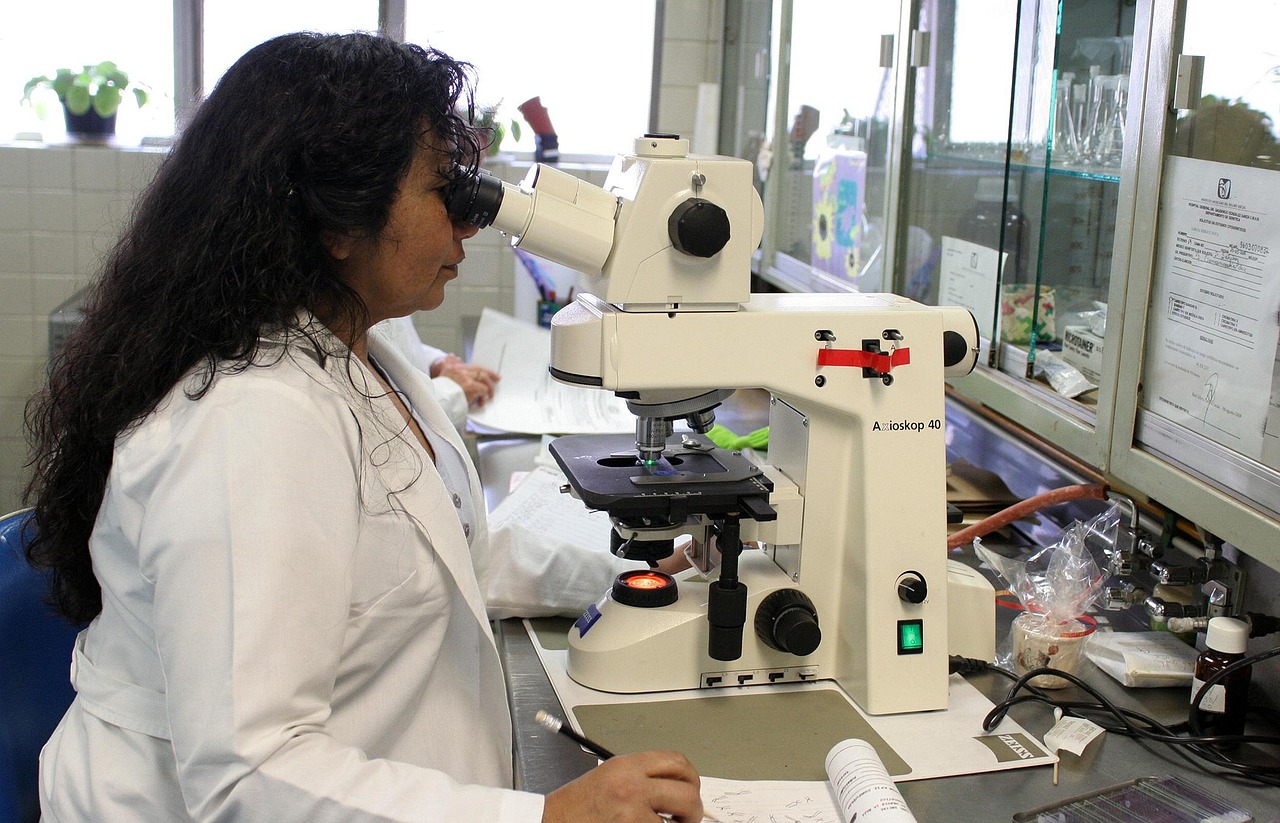
An old spinal-injury drug, a rejuvenated liver and a diabetes implant that works without insulin: new lab results offer real, if early, reasons for hope.

A new study puts California's insect count above 60,000 species, with only about two-thirds formally described. Each site studied had its own community.

MIT scientists say flexible molecular connections, not rigid ones, can arrange nanoparticles in new ways, challenging a view that has held for about two decades.
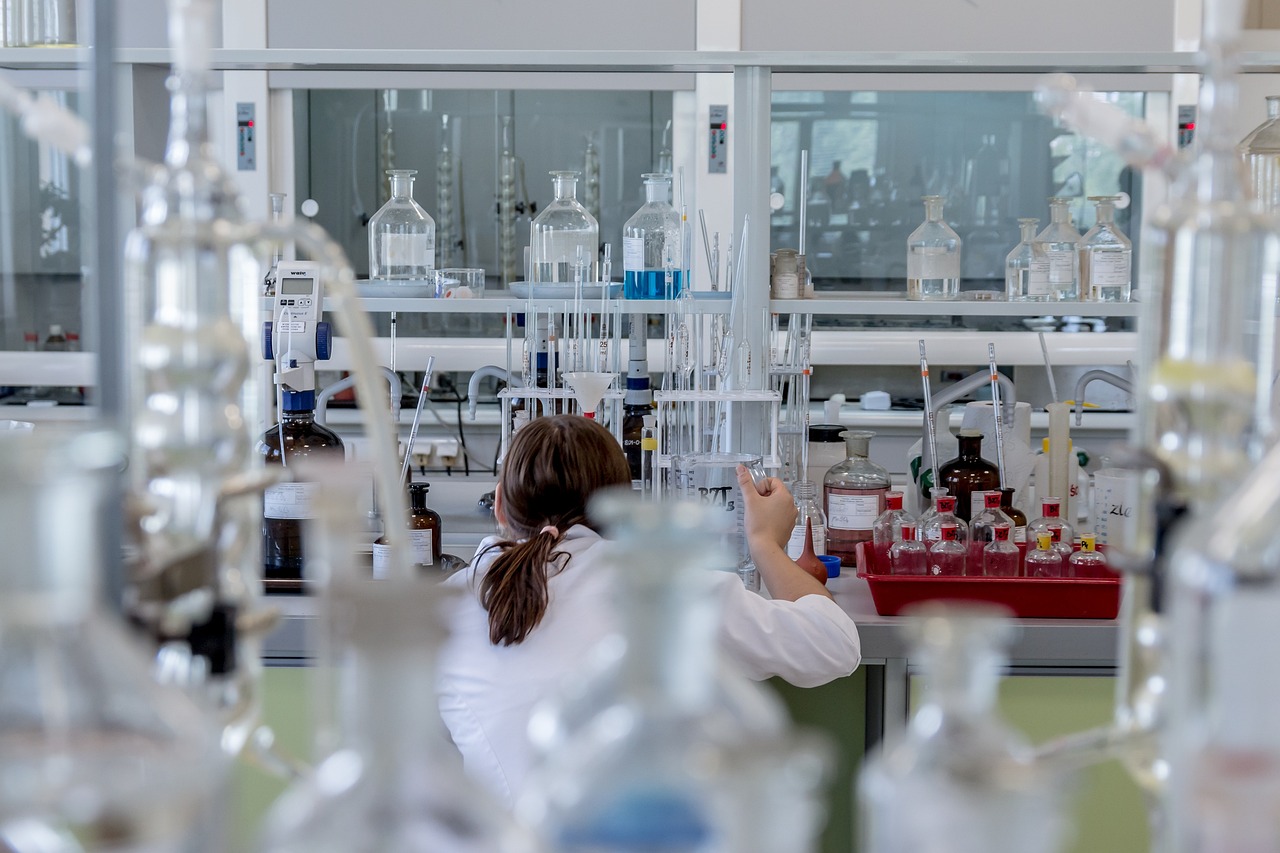
A bespoke mRNA vaccine, made from each patient's own tumour, cut the risk of death or skin cancer recurrence by 42% in a large clinical trial.
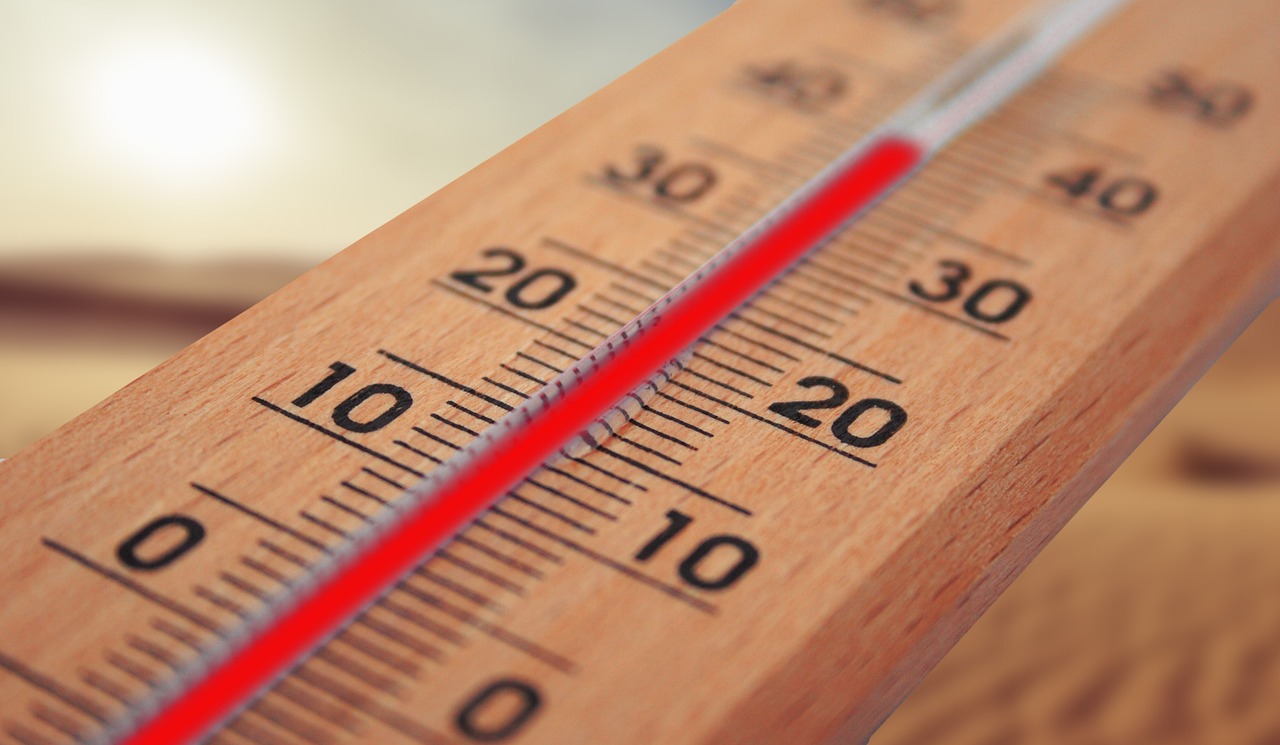
A new study says warming has jumped to about 0.35°C per decade, nearly double the 1970–2015 average. Here is what that means and what to watch.

The MeerKLASS team has measured the large-scale clustering of cosmic hydrogen for the first time. The result could change how we chart the universe.

A PNAS study reports intact biomolecules and mineralised red blood cells in a 115-million-year-old dinosaur, challenging old assumptions about fossil chemistry.

For nearly 90 years magnetism had two known types. Scientists now say a third, altermagnetism, is confirmed, and that squeezing the material changes how it behaves.
A major new study finds even modest drinking raises the risk of cancer, heart disease and early death, and finds no overall health benefit from alcohol.

New Large Hadron Collider results suggest small collisions can recreate the primordial matter of the early universe, challenging long-held assumptions.

Early polling suggests young voters moved sharply toward Democratic House candidates. That is a snapshot of an election, not a permanent generational label.

KAIST researchers in South Korea say an anode-free battery design could shrink EV packs and extend driving range. Their work targets uneven lithium growth on copper.
Scientists report all five nucleobases used in DNA and RNA in clean samples from asteroid Ryugu, a boost for the idea that space helped seed life's ingredients.
A 24-year study of more than 8,200 adults links excess body weight to faster declines in memory, focus and decision-making skills.

Physicists say the laws that keep a black hole in one piece may have a loophole for extremely fast spinners. Future telescopes might be able to look for the effect.

WHO says global cholera deaths in 2025 hit a 20-year high even though reported cases dropped, pointing to gaps in care, access and surveillance.

Biora's BioJet capsule has cleared ethics review in Australia for its first human study. It aims to replace injections of antibody drugs with a swallowed capsule.

Korea's Kospi sank more than 5% and triggered a trading pause as chip stocks sold off. Hong Kong, Australia and India rallied on cheaper oil.

The Federal Election Commission’s records offer a rare clear view of one side of modern politics: how much it costs to compete for attention.

One in four adolescents worldwide got no daily hour of exercise in the past week, and the global average hasn't budged since 2010, a major new study finds.

The IEA says the EU is starting the heating season with its lowest gas stocks in more than a decade, while ministers offer few binding answers on protecting households.
Gold jumped back over $4,000 as Brent dived toward $95, Treasury yields fell and the dollar weakened in a post-election session that hit energy stocks hard.

Economists unanimously expect the BoE to lift rates to 4% on Thursday. The hard part is guiding markets on what comes next as oil swings on Iran talks.

NASA's Swift space observatory is due to re-enter Earth's atmosphere on 4 November, ending a nearly 22-year run of cosmic discovery.

Democrats now hold both chambers, and analysts tie the result to the Iran war. Analysis of what that does and doesn't change for Washington's foreign policy.

Prices, paychecks and everyday bills helped shape the U.S. midterms, alongside deeper concerns about democracy and political accountability.

In the RESET for Remission trial, 54% of under-45s who finished an intensive diet-and-exercise programme reversed type 2 diabetes. Under standard care, 4% did.

CERN's LHCb team reports first evidence of a neutral B meson decaying into two muons, ending a 42-year search and giving the Standard Model a sharp new test.
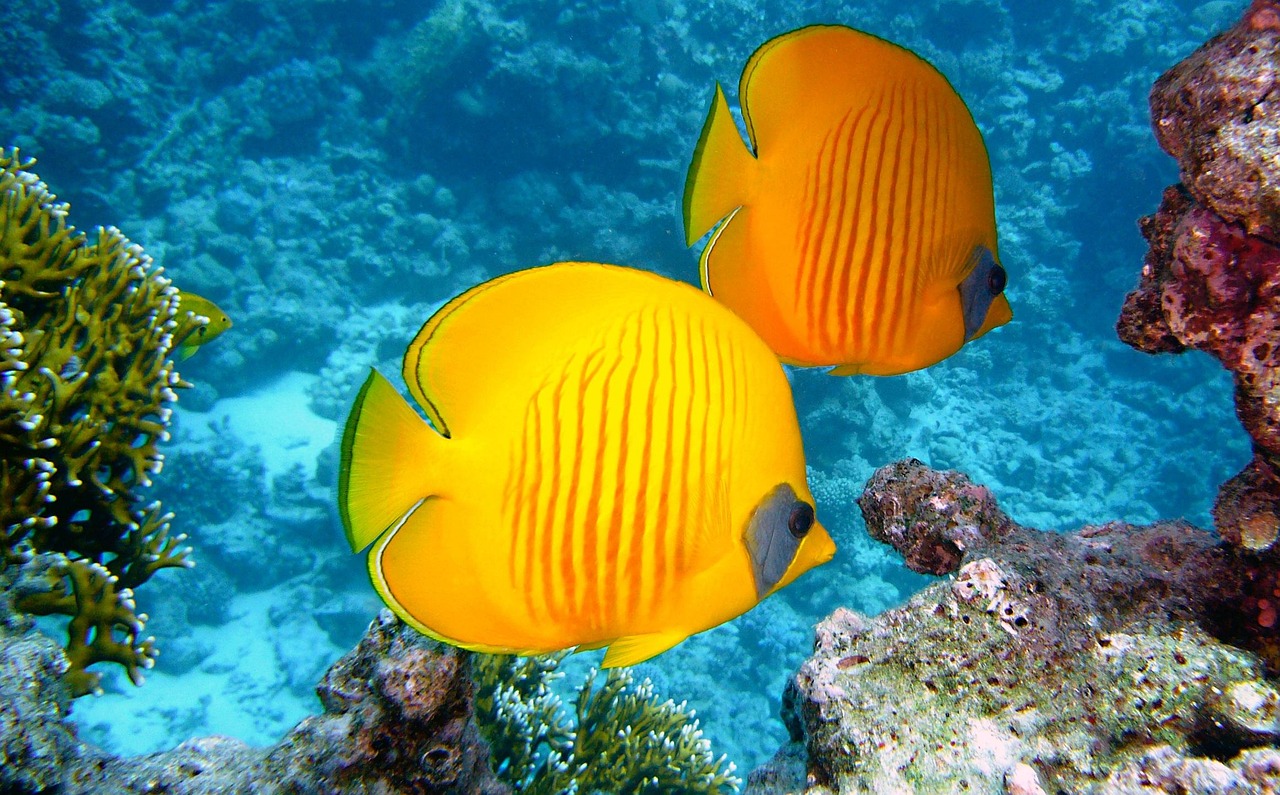
Bleached coral pieces that touched a healthy clone recovered in seven weeks, while nine donors pledged $500 million to prevent extinctions.