Search
14 results for “cardiovascular disease”

A study of almost 486,000 adults links regular tea drinking to an 11% lower risk of heart and blood vessel disease. It shows an association, not proof.

WHO says global cholera deaths in 2025 hit a 20-year high even though reported cases dropped, pointing to gaps in care, access and surveillance.

The FDA's draft guidance on personalized gene therapies would let one application cover multiple variants. CMS also wants to expand its access model.

A major new study finds even modest drinking raises the risk of cancer, heart disease and early death, and finds no overall health benefit from alcohol.

One in four adolescents worldwide got no daily hour of exercise in the past week, and the global average hasn't budged since 2010, a major new study finds.
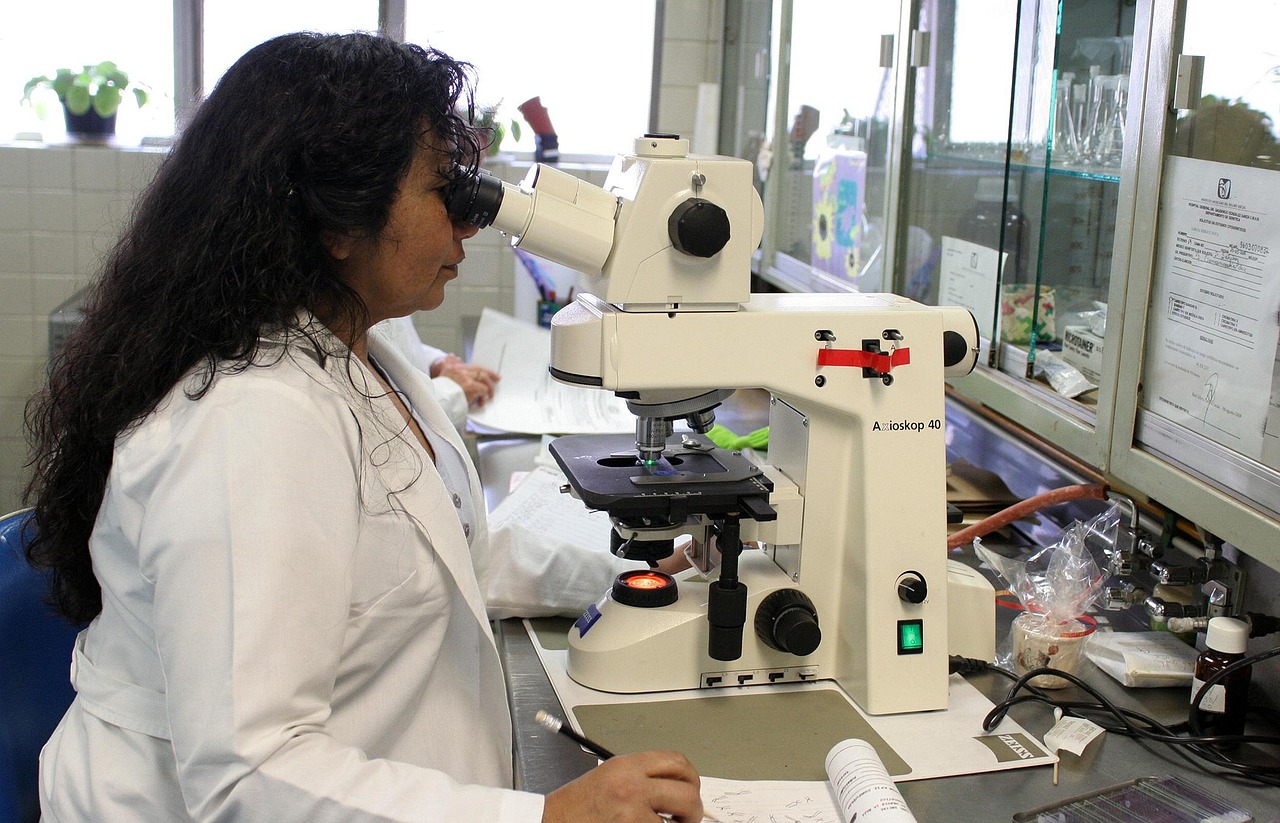
An old spinal-injury drug, a rejuvenated liver and a diabetes implant that works without insulin: new lab results offer real, if early, reasons for hope.

WHO says six climate and health actions could save 1.6 million lives and bring trillions in yearly benefits, days before COP31 opens its Health Pavilion.

In the RESET for Remission trial, 54% of under-45s who finished an intensive diet-and-exercise programme reversed type 2 diabetes. Under standard care, 4% did.

Biora's BioJet capsule has cleared ethics review in Australia for its first human study. It aims to replace injections of antibody drugs with a swallowed capsule.

Phase 2 results for plonmarlimab, a GM-CSF-blocking antibody, are now in a peer-reviewed journal. A Phase 3 trial is under way in China.

A bespoke mRNA vaccine, made from each patient's own tumour, cut the risk of death or skin cancer recurrence by 42% in a large clinical trial.

Australian data out today shows prevention gets 2.8% of government health spending, well below the 5% target. Two tobacco studies point to one possible fix.
A 24-year study of more than 8,200 adults links excess body weight to faster declines in memory, focus and decision-making skills.

Sudan is vaccinating about 11 million children against polio, Barbados has ended mother-to-child HIV transmission, and Congo's Ebola deaths have passed 5,000.